





The concentration of wealth in the United States has reached a new high. The Federal Reserve reported in 2025 that the top 1% of households now control roughly 32% of wealth in the US, on the order of about $55 trillion out of about $180+ trillion nationwide. That concentration shapes who can buy homes, fund companies, and support the institutions and causes that move communities.
What does it take to be in the top 1% in your state?
The Federal Reserve distributional data shows the top 1% at their highest share of wealth since tracking began in 1989, while gains for the broad middle have been more modest and driven mostly by housing rather than equities or private businesses. In this 2026 edition, Windfall leveraged its proprietary dataset to analyze 120+ million U.S. households to answer that question across all 50 states and Washington, D.C.
Data Sources For The Report Below
Windfall is a data company that maintains data on households across the United States. For our reporting below, all state-level figures including 99th-percentile thresholds, median net worth, millionaire-household counts, and total household counts. We captured most households where we understand people live in that current state, but did not include certain groups like: college students, ADU-residents, transient residents (mobile homes, RV, etc.), or the unhoused population. This data was pulled as of April 2026.
How the 2026 Wealth Shift Is Playing Out in Real Households, State by State
Alabama
- Minimum net worth to be in the top 1%: $5,865,000
- Median household net worth: $285,000
- Households with net worth of $1 million or more: ~240,000
- Total households: ~1,770,000
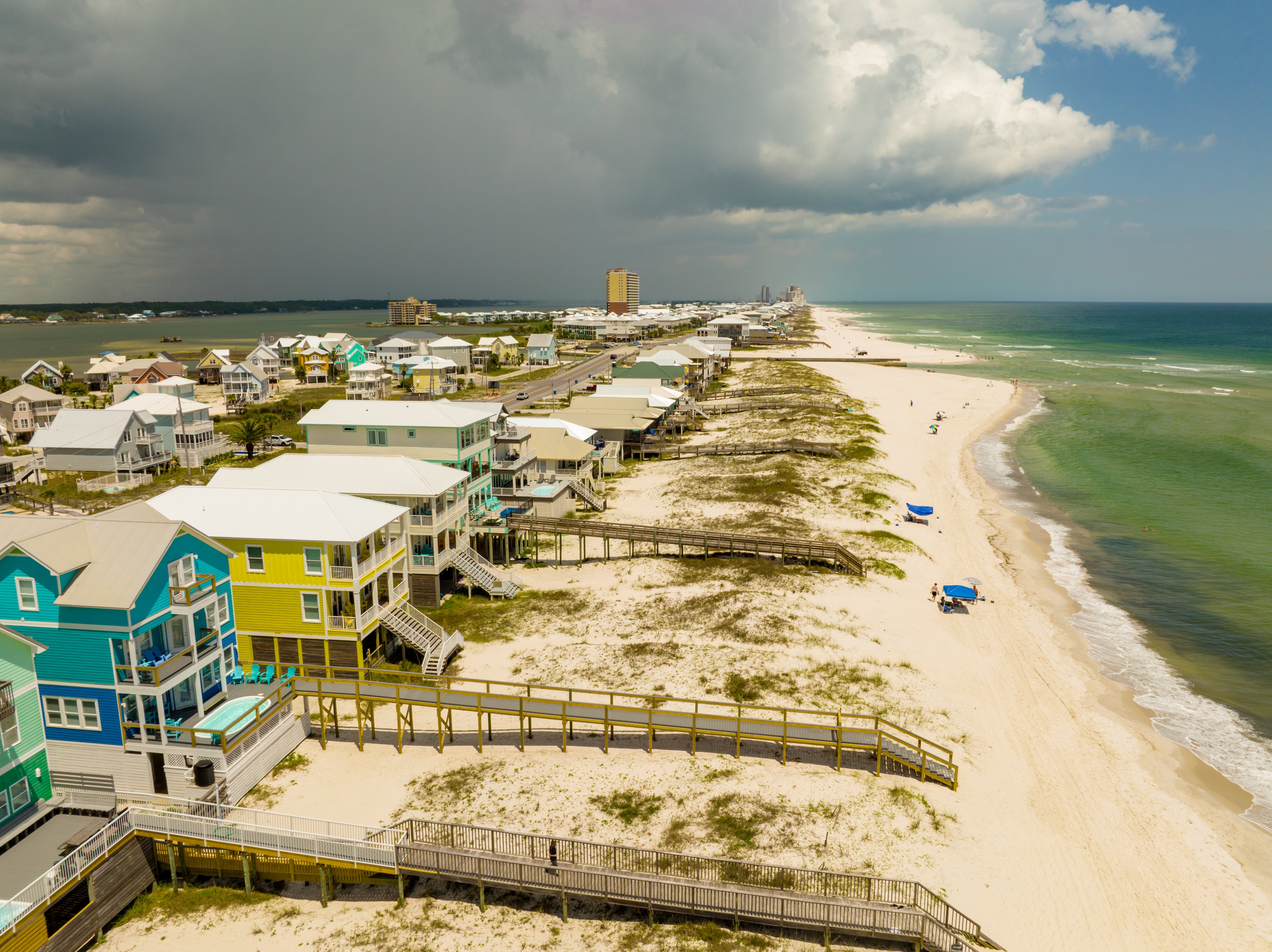
In Alabama, top‑tier wealth clusters around Birmingham’s Mountain Brook, Huntsville’s engineering and defense corridor, and affluent communities along the Gulf Coast. Much of the state’s upper‑end wealth is tied to industrial firms, medical systems, regional banks, and energy services, often layered on top of long‑held land. Jimmy Rane — the “Yella Fella” behind Great Southern Wood Preserving — is frequently cited as one of Alabama’s wealthiest residents, having built a multibillion‑dollar fortune in pressure‑treated lumber according to recent billionaire rankings. The contrast between a $285,000 median net worth and a $5.9 million threshold at the top reflects a meaningful but not coastal‑level gap between typical and elite balance sheets.

Alaska
- Minimum net worth to be in the top 1%: $5,207,000
- Median household net worth: $328,000
- Households with net worth of $1 million or more: ~30,000
- Total households: ~240,000
Alaska’s wealth is rooted in resources. The highest‑net‑worth households are concentrated in and around Anchorage and coastal communities tied to oil, shipping, commercial fishing, and logistics. Many of the state’s top 1% households blend income from energy and fisheries with Permanent Fund dividends, Native corporation shares, and real‑estate holdings in Anchorage and the Mat‑Su Valley. With a $328,000 median and a $5.2 million top‑1% threshold, Alaska pairs a relatively solid middle with a resource‑driven upper tier that depends heavily on commodity cycles and infrastructure investments.

Arizona
- Minimum net worth to be in the top 1%: $9,980,000
- Median household net worth: $322,000
- Households with net worth of $1 million or more: ~500,000
- Total households: ~2,710,000
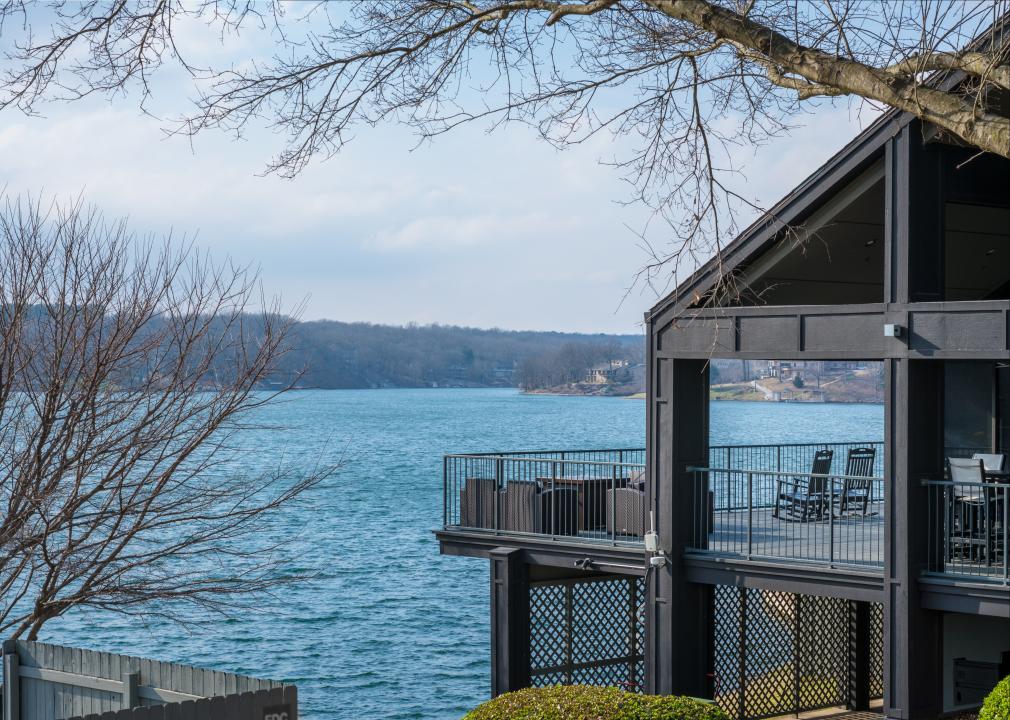
In Arizona, wealth concentrates in Paradise Valley, North Scottsdale, and high‑end enclaves around Phoenix and Tucson. The top 1% is powered by logistics, healthcare, financial services, and a growing tech presence, combined with a large retiree and second‑home owner population. Long‑time fortunes like those behind the U‑Haul empire, along with newer tech and real‑estate investors, anchor this cohort. The nearly $10 million threshold, against a $322,000 median and roughly half‑a‑million millionaire households, reflects how rapidly the state’s prime property and business valuations have climbed since the start of the decade.
shuttersv // Shutterstock
Arkansas
- Minimum net worth to be in the top 1%: $4,619,000
- Median household net worth: $222,000
- Households with net worth of $1 million or more: ~120,000
- Total households: ~1,170,000
Arkansas’ wealth story still starts in Bentonville. The Walton family’s Walmart fortune, reinforced by Tyson Foods and J.B. Hunt has, turned northwest Arkansas into a global corporate hub anchored by logistics, retail, and food production. Jim and Alice Walton remain at the center of this, with multi‑tens‑of‑billions in net worth each according to billionaire rankings, shaping everything from local philanthropy to the art scene. Yet statewide, a $4.6 million top‑1% bar sits atop a $222,000 median, illustrating one of the wider gaps in the South and underscoring how a handful of corporate legacies can coexist with relatively modest household balance sheets elsewhere.
California
- Minimum net worth to be in the top 1%: $19,751,000
- Median household net worth: $406,000
- Households with net worth of $1 million or more: ~3,590,000
- Total households: ~12,430,000
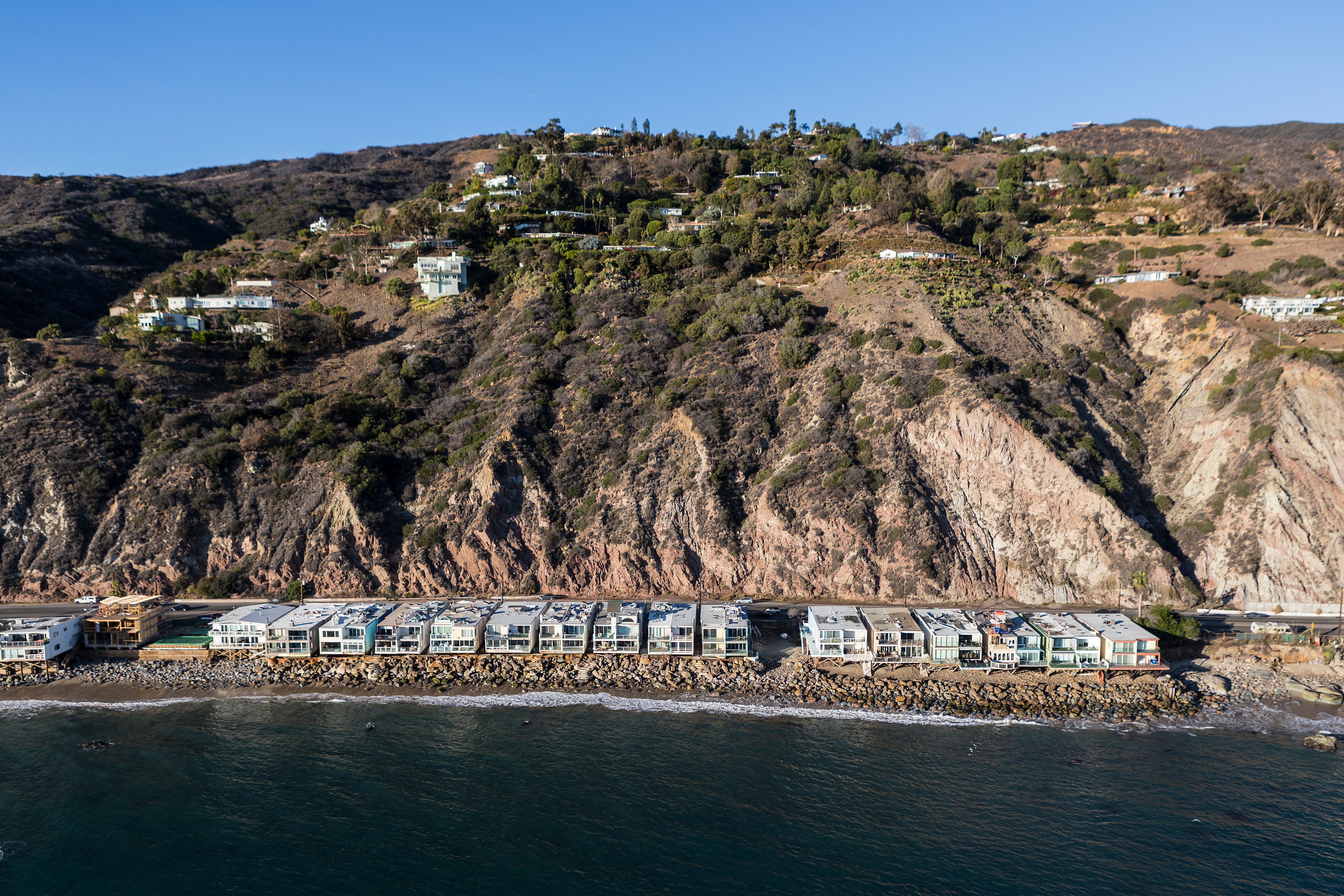
California remains the country’s defining wealth engine. The top 1% are concentrated in Silicon Valley, San Francisco, the Peninsula, West Los Angeles, and coastal Orange County, where tech, entertainment, venture capital, and real‑estate fortunes collide. Mark Zuckerberg’s Meta‑driven net worth, widely estimated in the high‑hundreds of billions, exemplifies how concentrated equity in a handful of platforms can dwarf even high executive pay. With a $19.75 million top‑1% threshold—the second‑highest in the nation—alongside a $406,000 median and nearly 3.6 million millionaire households, California combines a broadly elevated asset base with some of the most extreme wealth at the very top.
Colorado
- Minimum net worth to be in the top 1%: $12,627,000
- Median household net worth: $429,000
- Households with net worth of $1 million or more: ~540,000
- Total households: ~2,420,000
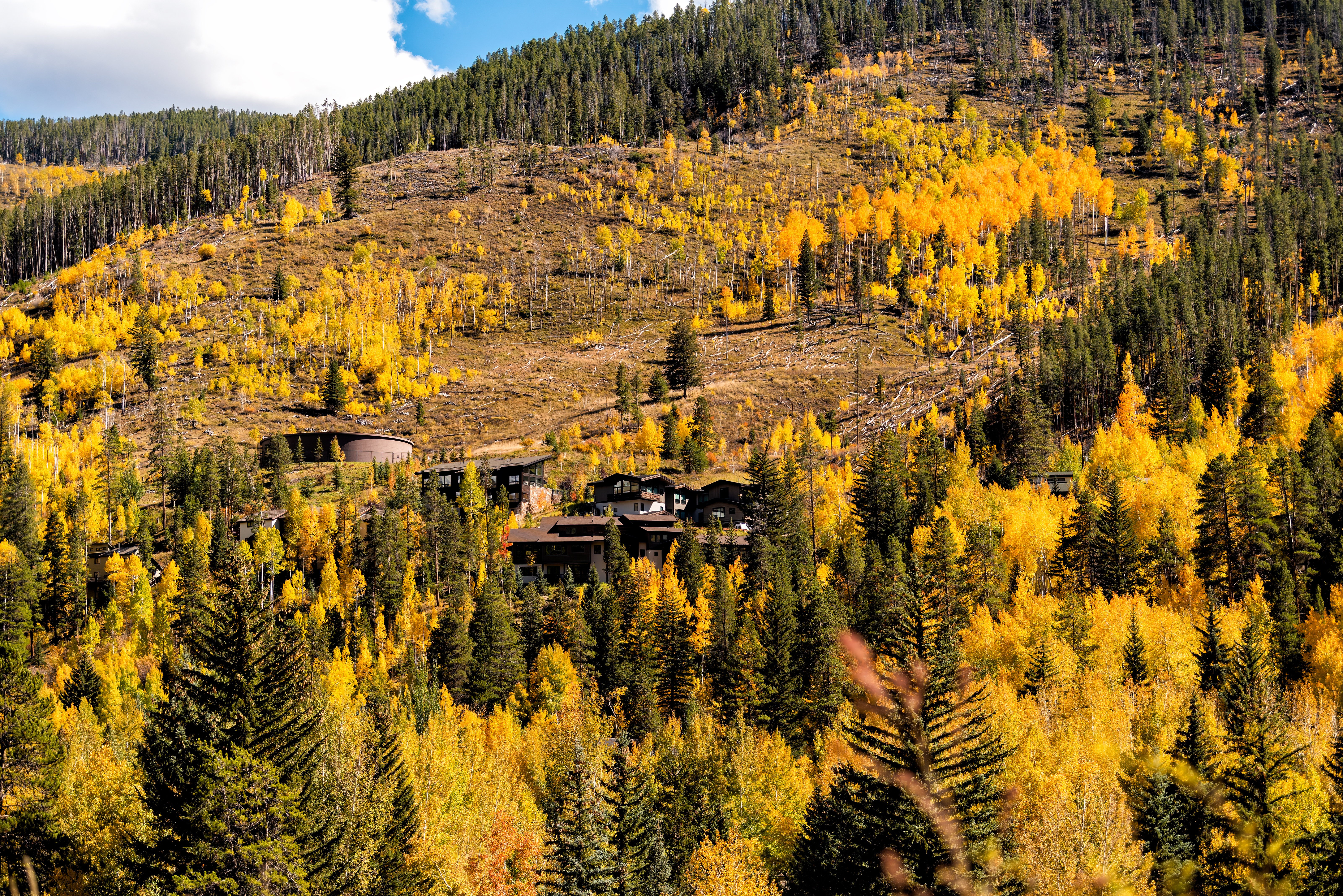
Colorado’s wealth centers on Denver’s Cherry Hills Village and Greenwood Village, along with resort markets like Aspen, Vail, and Telluride. The top 1% here often blend energy, rail, telecom, real estate, and private‑equity wealth with lifestyle‑driven mountain properties. Billionaire investor Philip Anschutz, for example, has built an eleven‑figure fortune across oil, railroads, and sports and entertainment holdings. The state’s $12.6 million threshold—fourth‑highest nationally—and $429,000 median reflect a strong professional class and powerful pull for remote and second‑home owners looking for both altitude and assets.
Connecticut
- Minimum net worth to be in the top 1%: $10,807,000
- Median household net worth: $423,000
- Households with net worth of $1 million or more: ~290,000
- Total households: ~1,440,000
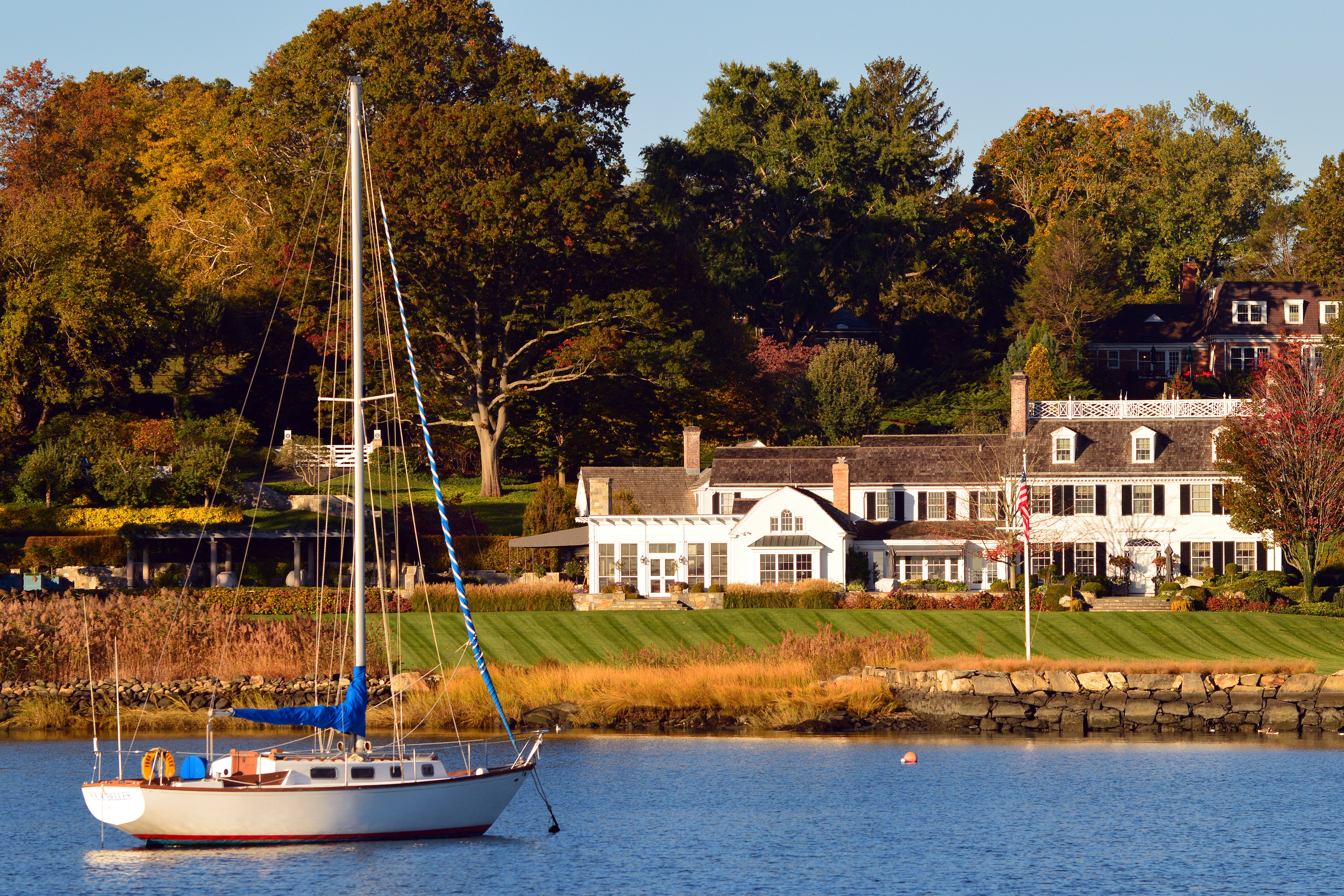
Connecticut’s upper tier is shaped by the hedge‑fund and asset‑management corridor in Greenwich, Westport, and Fairfield County, just outside New York City. Multi‑billion‑dollar fortunes like those of Steve Cohen or Ray Dalio have long come from managing institutional capital and trading global markets. With a $10.8 million top‑1% bar, a $423,000 median, and close to 300,000 millionaire households, the state showcases how proximity to Wall Street, combined with high‑value housing stock, can lift both the middle and the top of the wealth distribution. IRS‑based income estimates similarly place Connecticut at or near the highest earnings thresholds for joining its top 1%.
Delaware
- Minimum net worth to be in the top 1%: $9,206,000
- Median household net worth: $471,000
- Households with net worth of $1 million or more: ~80,000
- Total households: ~390,000
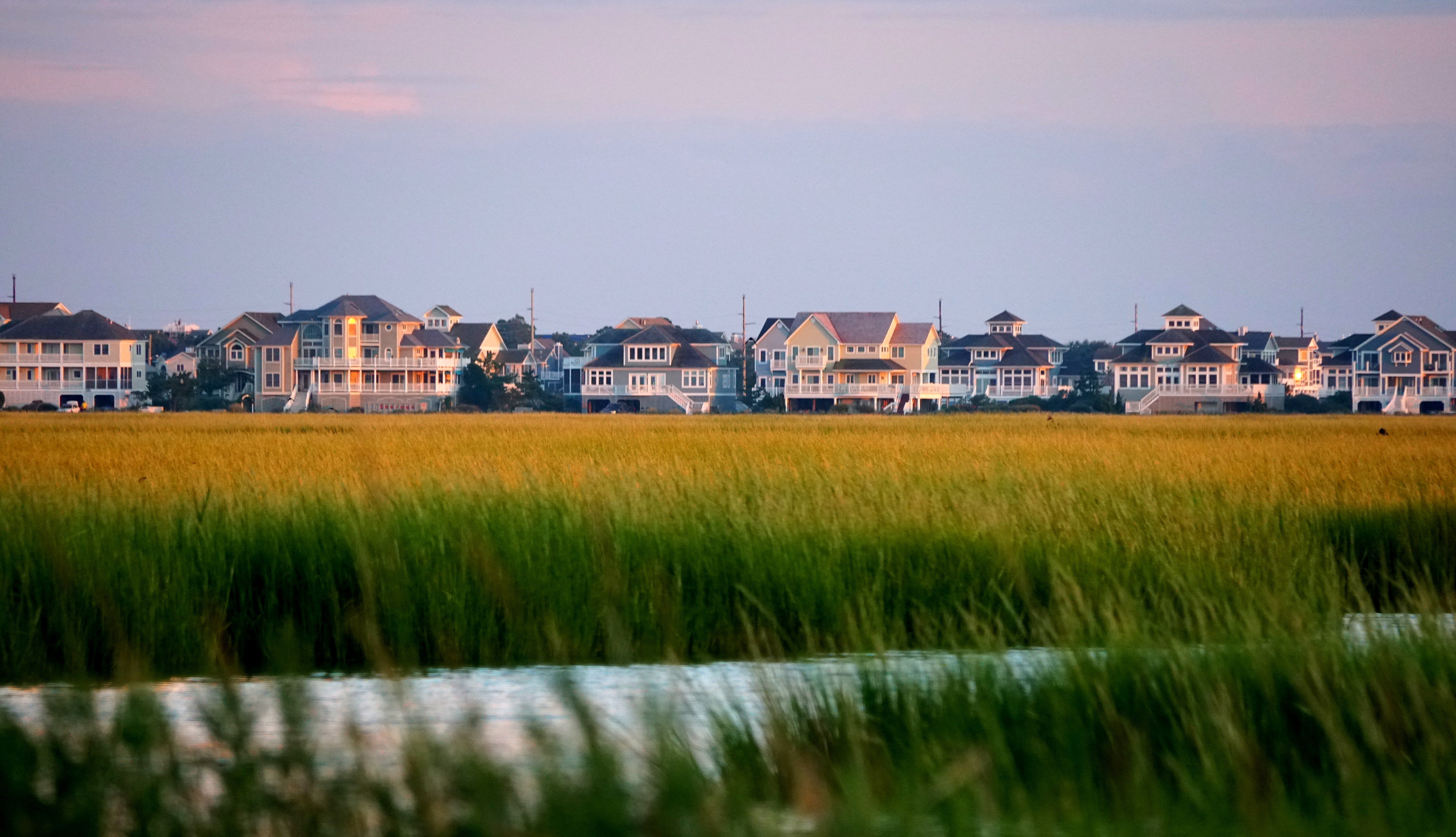
Despite its small size, Delaware is quietly affluent. Wealth clusters around Wilmington’s suburbs and coastal towns like Rehoboth, underpinned by corporate law, financial services, and a growing retiree population. Families tied to W. L. Gore & Associates, the company behind Gore‑Tex, and other long‑standing manufacturers anchor much of the state’s private wealth. A $9.2 million top‑1% threshold sits on top of a notably high $471,000 median net worth, placing Delaware among the strongest “middle‑class wealthy” states in the country.
Washington, D.C.
- Minimum net worth to be in the top 1%: $11,255,000
- Median household net worth: $70,000
- Households with net worth of $1 million or more: ~50,000
- Total households: ~380,000
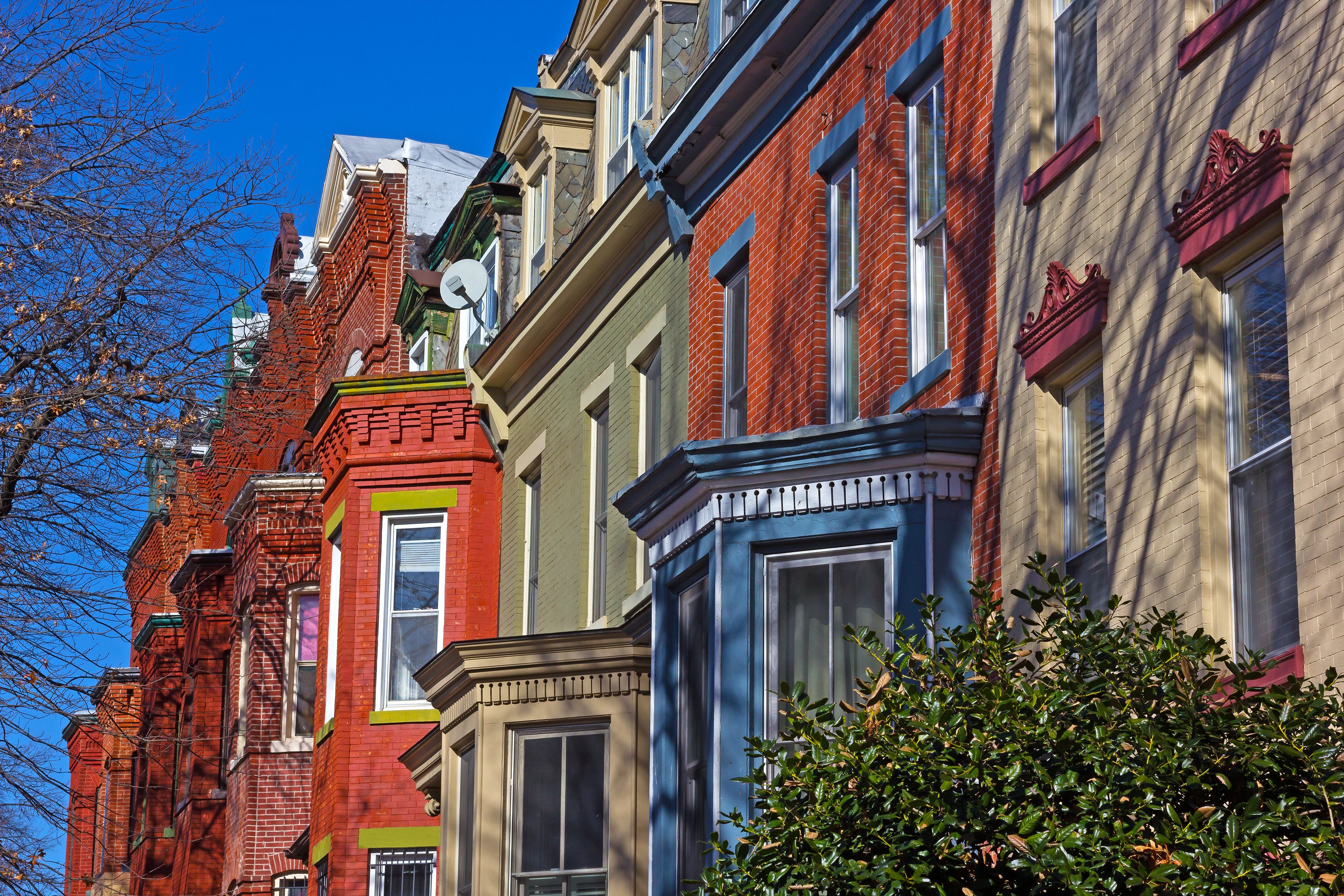
Washington, D.C. exhibits the starkest wealth divide in this dataset. The top 1% are concentrated in Georgetown, Spring Valley, and other upscale neighborhoods, as well as in the close‑in suburbs of Maryland and Virginia, and often blend law, lobbying, consulting, and real‑estate income with capital‑market exposure. Yet the median household in D.C. has a net worth of just $70,000, against an 11.3 million‑dollar bar at the 99th percentile, highlighting a chasm between federal workers and service‑sector employees on one side and a relatively small cohort of elite professionals on the other. It is perhaps the clearest example of a local K‑shape in practice: one branch tied to power and policy, the other to everyday wages and rising costs.
Florida
- Minimum net worth to be in the top 1%: $12,778,000
- Median household net worth: $318,000
- Households with net worth of $1 million or more: ~1,850,000
- Total households: ~9,170,000
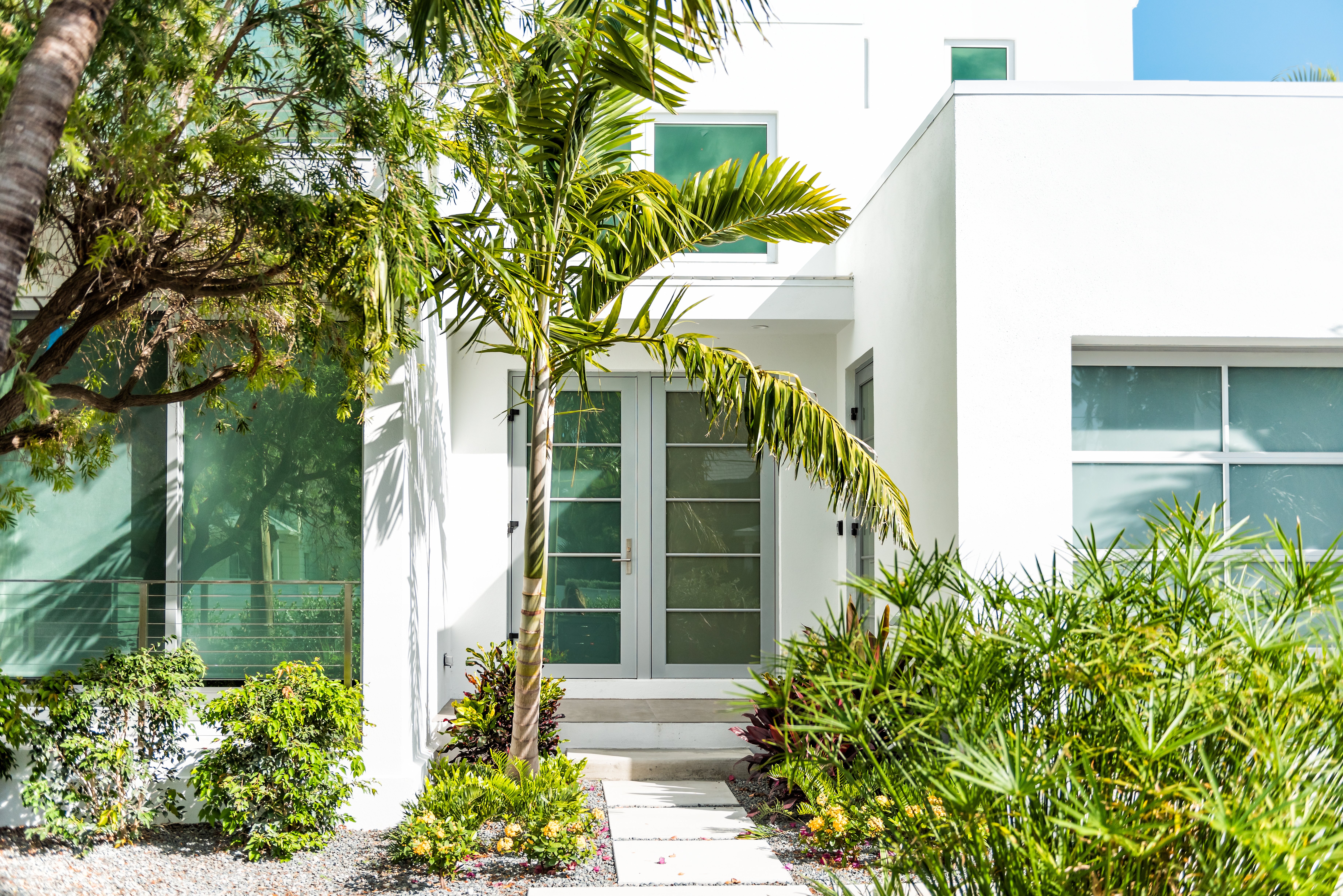
Florida has become a magnet for high‑net‑worth individuals and ultra‑wealthy families. The top 1% are thickest in Miami and Miami Beach, Palm Beach, Naples, and exclusive enclaves like Fisher Island, where finance, tech, sports ownership, and global capital converge. Jeff Bezos’ move to the Miami area, for example, brought one of the world’s largest individual fortunes to the state; his net worth is widely estimated in the low‑hundreds of billions. With a $12.8 million top‑1% threshold—third‑highest nationally—a $318,000 median, and nearly 1.9 million millionaire households, Florida now sits near the center of the global conversation about tax‑motivated migration and “sunshine state” wealth.
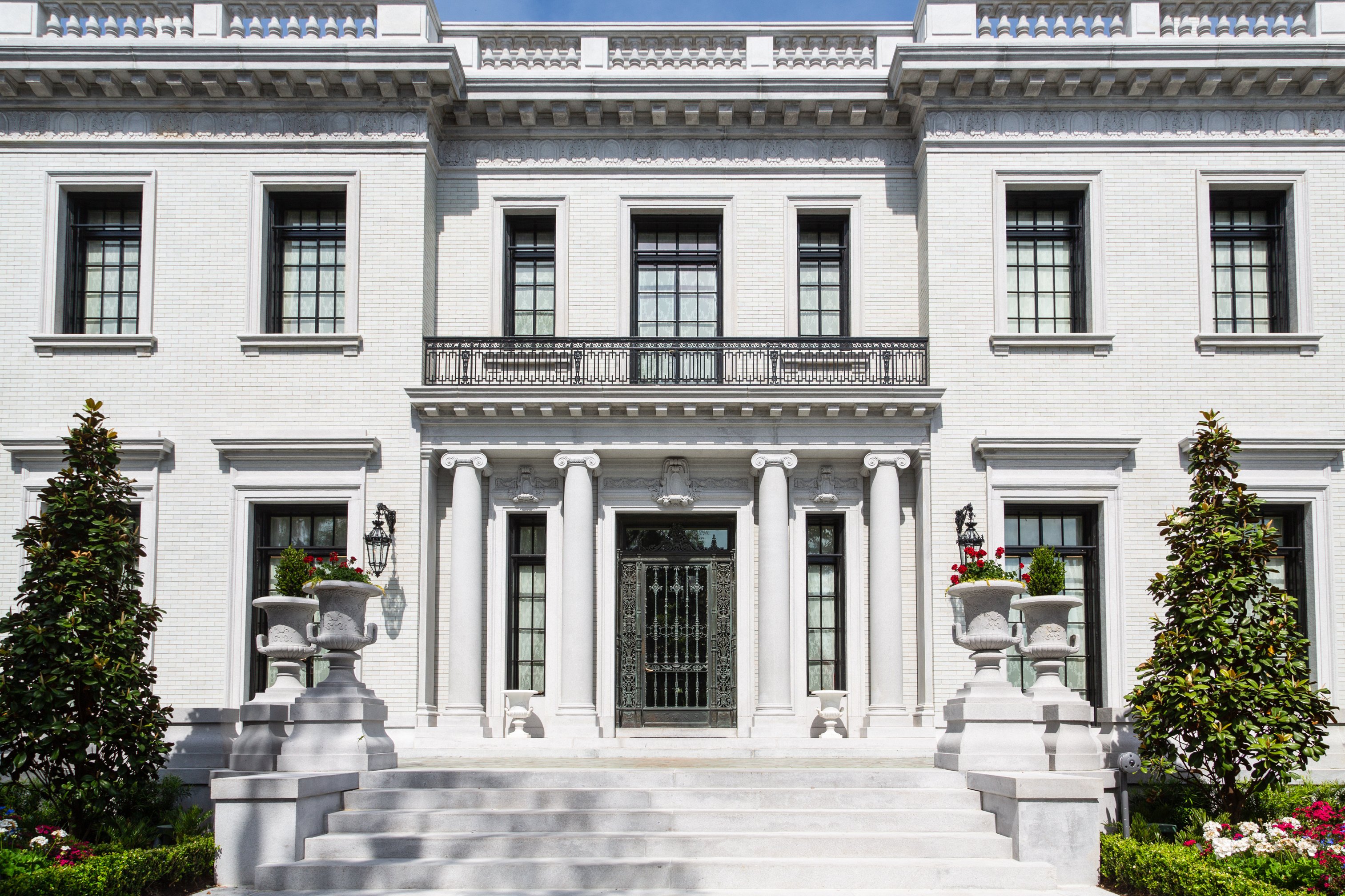
Georgia
- Minimum net worth to be in the top 1%: $7,288,000
- Median household net worth: $358,000
- Households with net worth of $1 million or more: ~690,000
- Total households: ~3,720,000
Georgia’s wealth map radiates out from metro Atlanta, especially Buckhead, Sandy Springs, and Alpharetta. Corporate headquarters, logistics giants, a thriving film and entertainment sector, and a growing fintech presence have pushed more households into seven‑ and eight‑figure net worth territory. The Cathy family behind Chick‑fil‑A and cofounders of Home Depot and other Atlanta‑based firms anchor some of the state’s largest fortunes, each measured in many billions. A $7.3 million top‑1% bar paired with a $358,000 median and roughly 690,000 millionaire households reflects how Atlanta has evolved from regional center to national wealth hub.

Hawaii
- Minimum net worth to be in the top 1%: $21,518,000
- Median household net worth: $363,000
- Households with net worth of $1 million or more: ~170,000
- Total households: ~480,000
Hawaii sits in a class of its own. It has the highest 99th‑percentile net‑worth threshold in the nation at $21.5 million, and one of the highest concentrations of millionaire households: roughly 170,000 out of 480,000, meaning more than a third of households clear $1 million. Wealth clusters in Oahu’s Kahala and Diamond Head neighborhoods and high‑end resort communities on Maui and the Big Island, driven by tourism, scarce land, and global demand for trophy properties. Pierre Omidyar, founder of eBay, is among the best‑known ultra‑wealthy residents, with a multi‑billion‑dollar fortune and long‑standing ties to the islands. The data make clear how geographic scarcity and second‑home ownership can push wealth thresholds much higher than income alone would suggest.
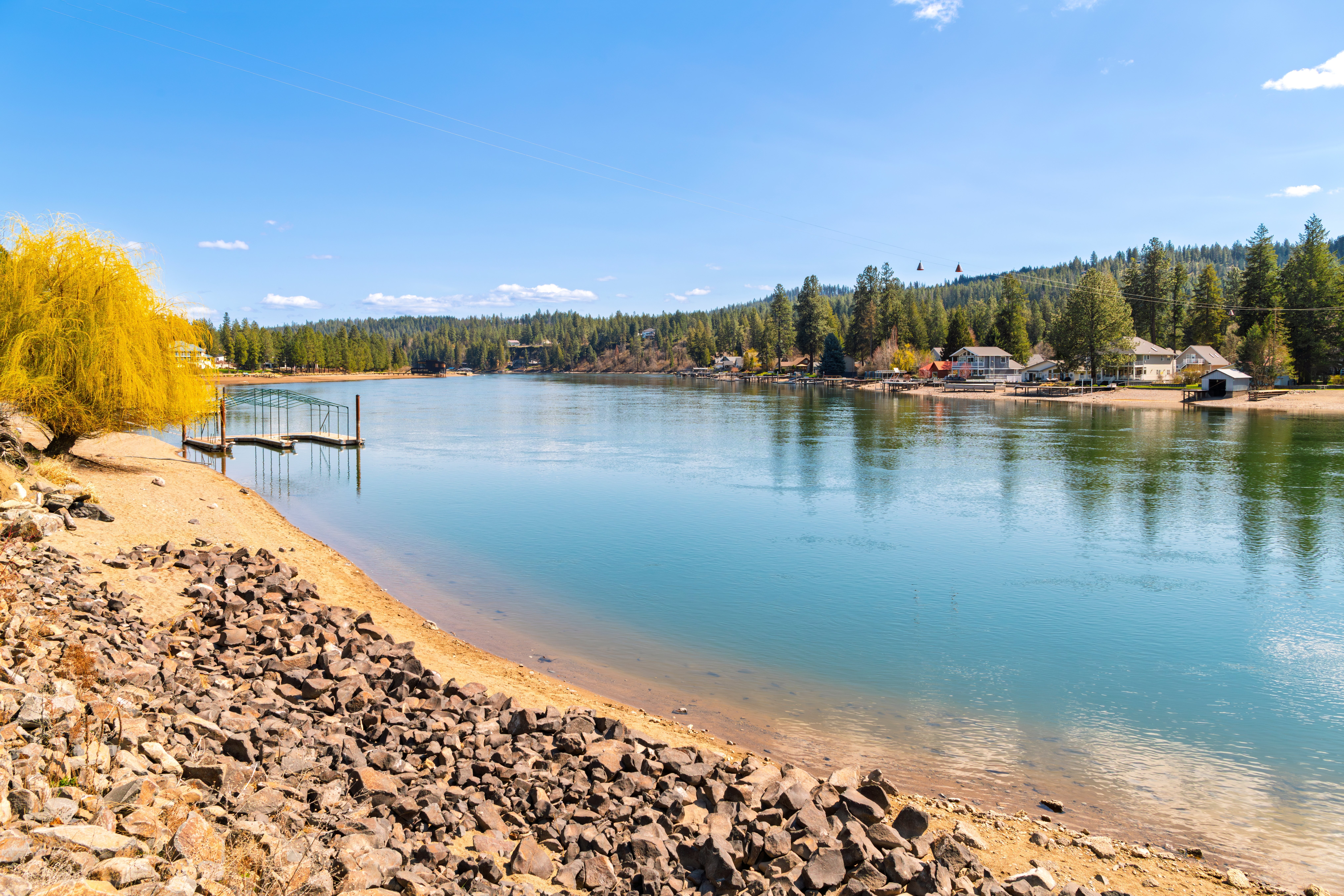
Idaho
- Minimum net worth to be in the top 1%: $9,111,000
- Median household net worth: $463,000
- Households with net worth of $1 million or more: ~120,000
- Total households: ~670,000
Idaho’s wealth has been reshaped by migration and tech. High‑net‑worth households cluster in Boise’s suburbs and resort destinations like Sun Valley, where long‑time agricultural families now share the landscape with software founders and remote workers. Frank VanderSloot, founder of wellness company Melaleuca, represents one of the state’s largest fortunes, estimated in the low‑billions and built on direct‑to‑consumer health products. A $9.1 million top‑1% threshold paired with a robust $463,000 median and roughly 120,000 millionaire households underscores how property appreciation and new‑economy businesses have transformed what used to be a purely farm‑and‑timber profile.
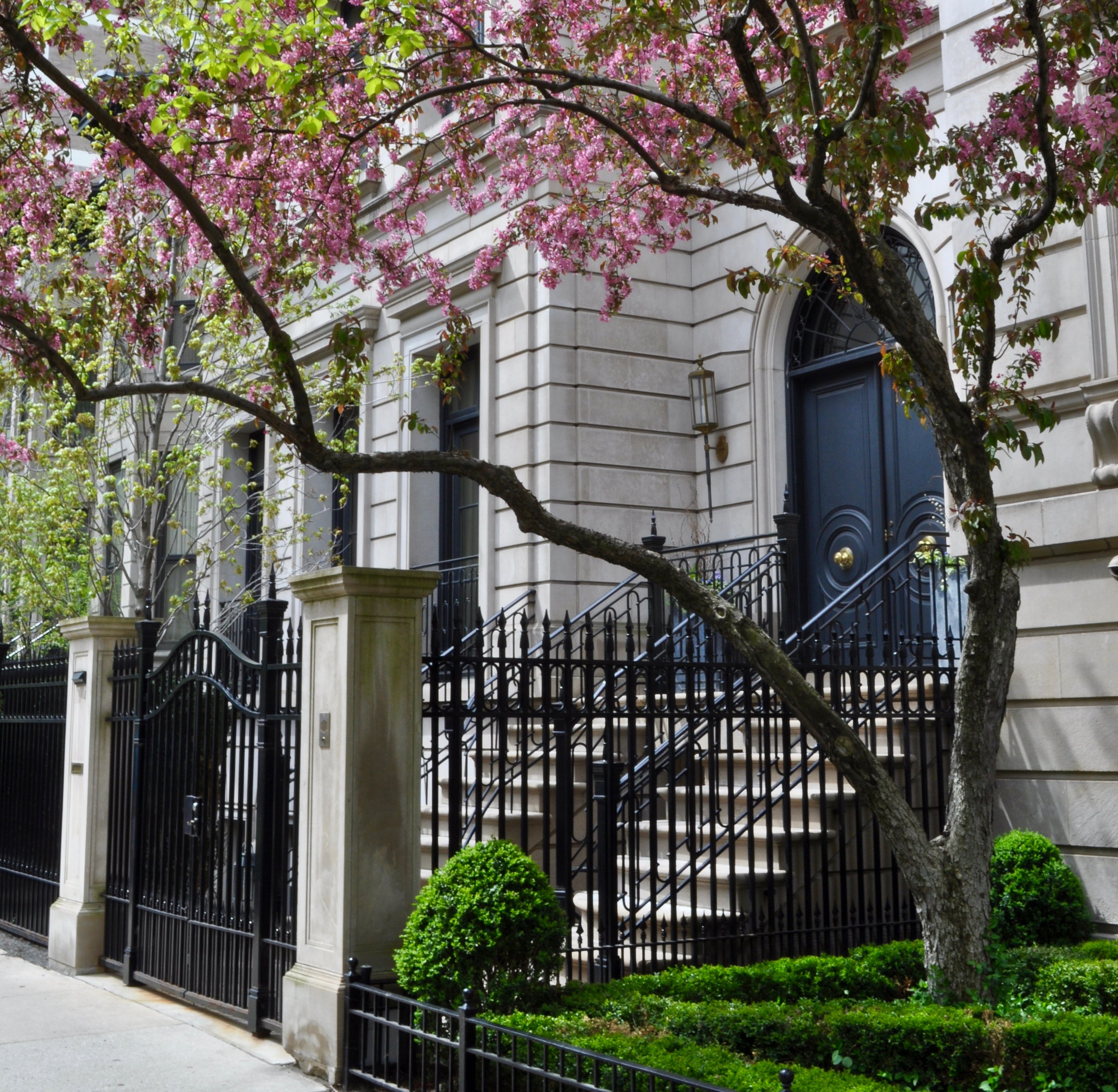
Illinois
- Minimum net worth to be in the top 1%: $5,607,000
- Median household net worth: $225,000
- Households with net worth of $1 million or more: ~540,000
- Total households: ~4,870,000
Illinois’ wealth is anchored around Chicago, particularly the North Shore and downtown’s trophy towers. Financial services, healthcare, logistics, and legacy manufacturing underpin much of the state’s top 1%. With Ken Griffin now based in Florida, family fortunes like those of Lukas Walton, an heir to the Walmart legacy, are among the largest associated with Illinois, with net worth measured in the tens of billions. A $5.6 million threshold and a $225,000 median highlight a major‑metro state where the bar for the top 1% is surprisingly modest relative to coastal peers, reflecting both the opportunities and headwinds facing the region.

Indiana
- Minimum net worth to be in the top 1%: $4,376,000
- Median household net worth: $265,000
- Households with net worth of $1 million or more: ~240,000
- Total households: ~2,670,000
In Indiana, wealth clusters in affluent Indianapolis suburbs like Carmel and in university towns such as Bloomington. Manufacturing, logistics, healthcare, and medical devices are central to the state’s upper tier. Carl Cook, CEO of Cook Group, is widely cited as Indiana’s richest resident, with a multi‑billion‑dollar net worth built on minimally invasive medical devices. A $4.4 million top‑1% bar and a $265,000 median reflect a broadly middle‑class state where business ownership and steady saving can still move households into the very highest ranks.

Iowa
- Minimum net worth to be in the top 1%: $4,088,000
- Median household net worth: $249,000
- Households with net worth of $1 million or more: ~130,000
- Total households: ~1,290,000
Iowa’s richest households are often tied to land and seeds. Wealth is concentrated in Des Moines’ suburbs and agricultural regions where farm ownership, seed genetics, and equipment companies dominate. Harry Stine, founder of Stine Seed, is a prime example: his multibillion‑dollar fortune stems from hundreds of patents in corn and soybean genetics. With a $4.1 million top‑1% threshold and a $249,000 median, Iowa is a place where agricultural innovation and land appreciation, rather than headline salaries, are the main engines of significant net worth.

Kansas
- Minimum net worth to be in the top 1%: $3,302,000
- Median household net worth: $229,000
- Households with net worth of $1 million or more: ~70,000
- Total households: ~1,080,000
Kansas offers one of the most accessible “top 1%” thresholds in the country; at $3.3 million, it has the second‑lowest bar nationwide. Wealth is centered around Wichita, Johnson County’s suburbs, and agricultural hubs, with a mix of industrial, aviation, and energy‑related businesses. Charles Koch and his family, whose net worth is estimated in the tens of billions through Koch Industries, exemplify how diversified private companies can shape a state’s wealth profile. The relatively narrow gap between the $229,000 median and the $3.3 million top‑1% threshold hints at a state where wealth is concentrated, but the climb from solid to affluent is more achievable than in many coastal markets.

Kentucky
- Minimum net worth to be in the top 1%: $4,557,000
- Median household net worth: $280,000
- Households with net worth of $1 million or more: ~190,000
- Total households: ~1,600,000
Kentucky’s wealth map runs through Louisville’s suburbs and Lexington’s horse country. Logistics, healthcare, bourbon, and equine enterprises have produced a surprising number of seven‑ and eight‑figure balance sheets. Tamara Gustavson, heir to the Public Storage fortune and an active figure in Kentucky’s Thoroughbred industry, has an estimated net worth in the high single‑digit billions. A $4.6 million top‑1% bar, a $280,000 median, and nearly 190,000 millionaire households show how a combination of land, logistics, and long‑held stock can generate meaningful wealth in the Bluegrass State.

Louisiana
- Minimum net worth to be in the top 1%: $3,620,000
- Median household net worth: $184,000
- Households with net worth of $1 million or more: ~110,000
- Total households: ~1,680,000
Louisiana’s wealth hugs the Mississippi River and the Gulf. High‑net‑worth households are most concentrated in New Orleans’ historic districts, Baton Rouge, and energy hubs tied to petrochemicals and shipping. Franchise and sports‑ownership fortunes, like those of the Benson family, sit alongside long‑time industrial and real‑estate holdings. With a $3.6 million top‑1% threshold and a $184,000 median—one of the lowest medians outside D.C. and New York—the state’s data underline both deep inequality and a relatively low bar for the upper tail compared with coastal peers.
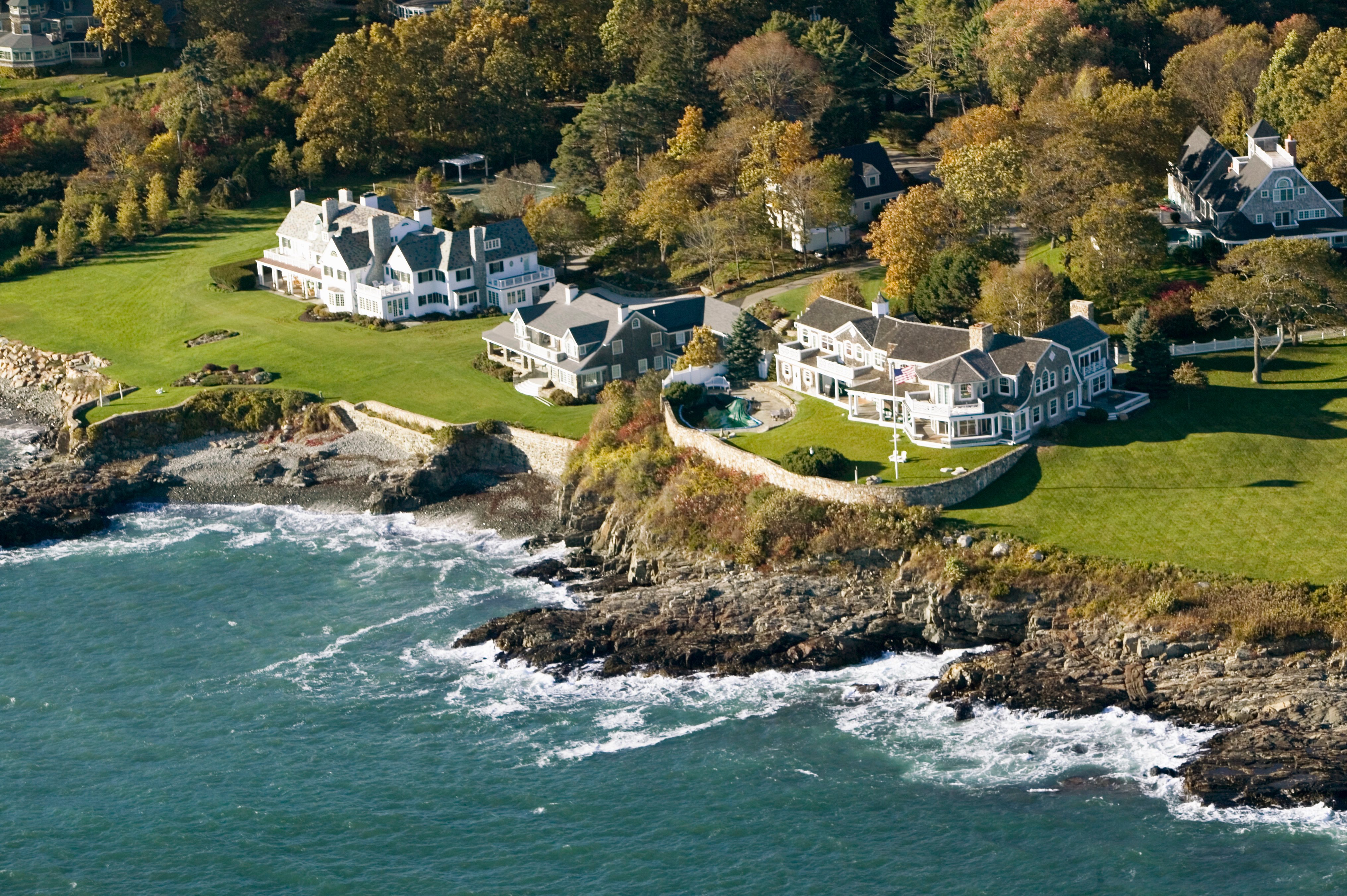
Maine
- Minimum net worth to be in the top 1%: $6,565,000
- Median household net worth: $463,000
- Households with net worth of $1 million or more: ~110,000
- Total households: ~640,000
Maine’s top 1% is largely coastal. Wealthy households cluster from Portland up through Camden and Bar Harbor, reflecting both long‑time New England families and newer remote workers who have bid up seaside real estate. Susan Alfond and relatives, whose fortune traces back to Dexter Shoe’s sale to Berkshire Hathaway, illustrate how a single corporate liquidity event can reverberate across generations. A $6.6 million top‑1% bar paired with a $463,000 median and about 110,000 millionaire households highlights how valuable property and diversified portfolios have made Maine one of the more financially secure states.

Maryland
- Minimum net worth to be in the top 1%: $8,082,000
- Median household net worth: $406,000
- Households with net worth of $1 million or more: ~430,000
- Total households: ~2,250,000
Maryland’s wealth clusters along the Washington, D.C. corridor in places like Potomac, Bethesda, and Chevy Chase, as well as in affluent Baltimore and Annapolis suburbs. Government contracting, cybersecurity, healthcare, and financial services drive many of the state’s highest net‑worth families. Figures like Stephen Bisciotti, whose Allegis Group staffing empire and Baltimore Ravens ownership underpin a multi‑billion‑dollar fortune, capture the intersection of private companies and sports that defines part of the local elite. An $8.1 million top‑1% threshold, a $406,000 median, and ~430,000 millionaire households make Maryland one of the most broadly affluent states in the country.

Massachusetts
- Minimum net worth to be in the top 1%: $11,090,000
- Median household net worth: $410,000
- Households with net worth of $1 million or more: ~730,000
- Total households: ~2,980,000
Massachusetts’ wealth is concentrated in and around Boston — from Back Bay and Beacon Hill to Newton, Wellesley, and the Route 128 tech belt. Biotech, asset management, higher education, and software are central to the top 1%. Abigail Johnson’s multi‑tens‑of‑billions stake in Fidelity Investments exemplifies how long‑running financial firms drive the state’s upper tier. With an $11.1 million threshold, a $410,000 median, and ~730,000 millionaire households, Massachusetts pairs a strong, educated middle class with very high entry requirements for its top echelon.
Michigan
- Minimum net worth to be in the top 1%: $5,689,000
- Median household net worth: $313,000
- Households with net worth of $1 million or more: ~570,000
- Total households: ~4,040,000
Michigan’s top 1% is centered around Detroit’s northern suburbs—Bloomfield Hills and Birmingham—as well as around Grand Rapids and Ann Arbor. Auto, financial services, healthcare, and manufacturing play outsized roles. Dan Gilbert’s fortune, built on Rocket Companies and extensive real‑estate holdings, remains one of the state’s largest, measured in the tens of billions. A $5.7 million top‑1% bar, a $313,000 median, and about 570,000 millionaire households reflect both the resilience and unevenness of a state still defined by industrial swings.
Minnesota
- Minimum net worth to be in the top 1%: $5,686,000
- Median household net worth: $363,000
- Households with net worth of $1 million or more: ~380,000
- Total households: ~2,410,000
Minnesota’s wealth centers around the Minneapolis‑St. Paul metro, particularly Lake Minnetonka communities like Wayzata and Orono. Fortune 500 headquarters, healthcare systems, and diversified manufacturing firms create a broad base of high‑earning professionals and long‑time family shareholders. Glen Taylor, whose holdings span printing, packaging, and sports, has long been one of the state’s best‑known billionaires. With a $5.7 million top‑1% threshold and a $363,000 median, Minnesota looks like a textbook high‑saving, high‑homeownership state where the middle and top of the distribution are both relatively strong.
Mississippi
- Minimum net worth to be in the top 1%: $2,940,000
- Median household net worth: $237,000
- Households with net worth of $1 million or more: ~50,000
- Total households: ~930,000
Mississippi has the lowest top‑1% threshold in the nation: $2.94 million. Wealth tends to concentrate along the Gulf Coast’s gaming corridor, in Jackson’s suburbs, and in agricultural and timber lands held for generations. The Duff brothers’ holdings in Southern Tire Mart and related businesses show how regional manufacturing and logistics can still create billion‑dollar fortunes in a smaller, lower‑cost state. A $237,000 median net worth and just ~50,000 millionaire households underscore both limited pathways into significant wealth and the outsized role of a relatively small number of resource and business owners.

Missouri
- Minimum net worth to be in the top 1%: $3,797,000
- Median household net worth: $231,000
- Households with net worth of $1 million or more: ~160,000
- Total households: ~2,410,000
Missouri’s top 1% cluster in St. Louis’ Ladue and Town and Country suburbs and in affluent pockets of Kansas City. Logistics, healthcare, wholesale, and technology firms, along with substantial family fortunes, sit behind many of the state’s biggest balance sheets. David Steward, cofounder of World Wide Technology, is one of Missouri’s richest residents, with an IT and logistics‑driven net worth in the low‑double‑digit billions. A $3.8 million top‑1% bar—the fifth‑lowest nationally—and a $231,000 median illustrate a state where wealth is present but the upper rung remains more reachable than in most coastal markets.

Montana
- Minimum net worth to be in the top 1%: $7,155,000
- Median household net worth: $364,000
- Households with net worth of $1 million or more: ~60,000
- Total households: ~410,000
Montana’s wealth map has changed dramatically. Bozeman, Whitefish, and Big Sky now host an influx of remote tech workers, investors, and second‑home owners alongside ranching families and resource‑sector veterans. Dennis Washington, whose holdings span mining, transportation, and construction, remains one of the state’s most prominent billionaires. A $7.2 million top‑1% threshold, a $364,000 median, and roughly 60,000 millionaire households highlight how destination real estate and diversified business holdings have pushed Montana into the upper ranks of wealth per household.

Nebraska
- Minimum net worth to be in the top 1%: $4,838,000
- Median household net worth: $295,000
- Households with net worth of $1 million or more: ~80,000
- Total households: ~730,000
Nebraska’s wealth story still runs through Omaha. Insurance, agribusiness, and railroads are important, but Warren Buffett’s Berkshire Hathaway remains the state’s defining fortune. With a net worth commonly estimated around $130–150 billion, Buffett exemplifies patient, value‑oriented capital allocation across dozens of brands. A $4.8 million top‑1% bar, a $295,000 median, and ~80,000 millionaire households reveal a state where disciplined investing and business ownership have delivered outsized results, even without coastal‑level income.
Nevada
- Minimum net worth to be in the top 1%: $10,453,000
- Median household net worth: $312,000
- Households with net worth of $1 million or more: ~210,000
- Total households: ~1,160,000
Nevada’s top 1% are concentrated in Las Vegas’ gated communities like Summerlin and MacDonald Highlands, as well as in Reno and Lake Tahoe. Casino ownership, hospitality, entertainment, and increasingly sports franchises and tech migration define the state’s biggest fortunes. Miriam Adelson and family, whose wealth comes from Las Vegas Sands and related ventures, are frequently cited among the state’s richest, with multi‑tens‑of‑billions in net worth. The $10.45 million threshold, $312,000 median, and ~210,000 millionaire households highlight how a no‑income‑tax regime and global gaming brand have turned Nevada into an outsized wealth destination.
New Hampshire
- Minimum net worth to be in the top 1%: $8,959,000
- Median household net worth: $616,000
- Households with net worth of $1 million or more: ~160,000
- Total households: ~600,000
New Hampshire is one of America’s most quietly affluent states. With a $616,000 median net worth, it ranks second nationally, and its $8.96 million top‑1% threshold reflects both high‑earning commuters to Boston and robust local business ownership. Wealth is clustered in the southern tier and around lakes and ski areas, where no state income tax and attractive quality of life draw professionals across the region. Families behind warehouse automation, grocery distribution, and manufacturing businesses anchor the state’s top fortunes, with multi‑billion‑dollar net worths that rarely make national headlines.
New Jersey
- Minimum net worth to be in the top 1%: $10,982,000
- Median household net worth: $601,000
- Households with net worth of $1 million or more: ~960,000
- Total households: ~3,240,000
New Jersey’s wealth is shaped by its position between New York and Philadelphia. Top‑tier households cluster in Alpine, Short Hills, and Bedminster, and often draw their wealth from Manhattan finance, pharmaceuticals, logistics, or professional services. John Overdeck, cofounder of hedge fund Two Sigma, exemplifies the state’s hedge‑fund elite, with a net worth estimated in the mid‑single‑digit billions. A $11.0 million threshold, a $601,000 median net worth (tied for second‑highest among states), and nearly a million millionaire households underscore just how dense household wealth has become across the Garden State’s suburbs.

New Mexico
- Minimum net worth to be in the top 1%: $4,116,000
- Median household net worth: $303,000
- Households with net worth of $1 million or more: ~50,000
- Total households: ~710,000
New Mexico’s top 1% stretches from Santa Fe’s second‑home and art‑market economy to energy‑linked regions and scientific hubs around Los Alamos. High‑net‑worth households often blend oil and gas holdings, real‑estate portfolios, and arts or technology investments. Solar‑technology entrepreneurs and private‑lab scientists with equity stakes have joined long‑time ranching and energy families in this cohort. With a $4.1 million threshold, a $303,000 median, and ~50,000 millionaire households, New Mexico sits at the intersection of resource wealth, creative capital, and federal research spending.

New York
- Minimum net worth to be in the top 1%: $11,549,000
- Median household net worth: $159,000
- Households with net worth of $1 million or more: ~1,550,000
- Total households: ~7,410,000
New York presents one of the starkest wealth stories in the country. The top 1% are concentrated in Manhattan neighborhoods like Tribeca and the Upper East Side, in hedge‑fund enclaves of Greenwich and Westchester just over the border, and in the Hamptons. Michael Bloomberg, with a net worth commonly estimated north of $100 billion from his financial‑data firm, remains one of the state’s signature fortunes. Yet the median New York household has just $159,000 in net worth, against an $11.55 million top‑1% bar and roughly 1.55 million millionaire households—a combination that captures both extreme affluence and a large population with relatively thin balance sheets.
North Carolina
- Minimum net worth to be in the top 1%: $8,452,000
- Median household net worth: $346,000
- Households with net worth of $1 million or more: ~760,000
- Total households: ~4,060,000
North Carolina’s top 1% are concentrated in Charlotte’s finance‑driven neighborhoods, Raleigh‑Durham’s Research Triangle, and growing coastal communities. Banking, software, pharma, and advanced manufacturing are central to the state’s highest‑net‑worth households. James Goodnight’s multi‑billion‑dollar fortune from SAS Institute, one of the world’s largest private software companies, highlights the impact of long‑held tech equity. An $8.45 million threshold, a $346,000 median, and roughly 760,000 millionaire households tell the story of a state that has rapidly moved from industrial to innovation‑driven wealth.
North Dakota
- Minimum net worth to be in the top 1%: $4,714,000
- Median household net worth: $208,000
- Households with net worth of $1 million or more: ~20,000
- Total households: ~260,000
North Dakota’s top 1% emerged largely from the Bakken shale boom. High‑net‑worth households are concentrated in energy hubs and in cities like Fargo and Bismarck, where logistics, agriculture, and finance intersect. Hotel developer Gary Tharaldson is emblematic of the state’s billionaire class, having built one of America’s largest private hotel portfolios. A $4.7 million top‑1% bar and a $208,000 median show how resource booms can create significant fortunes without broad‑based wealth spilling over to the entire population.
Ohio
- Minimum net worth to be in the top 1%: $4,323,000
- Median household net worth: $266,000
- Households with net worth of $1 million or more: ~470,000
- Total households: ~4,470,000
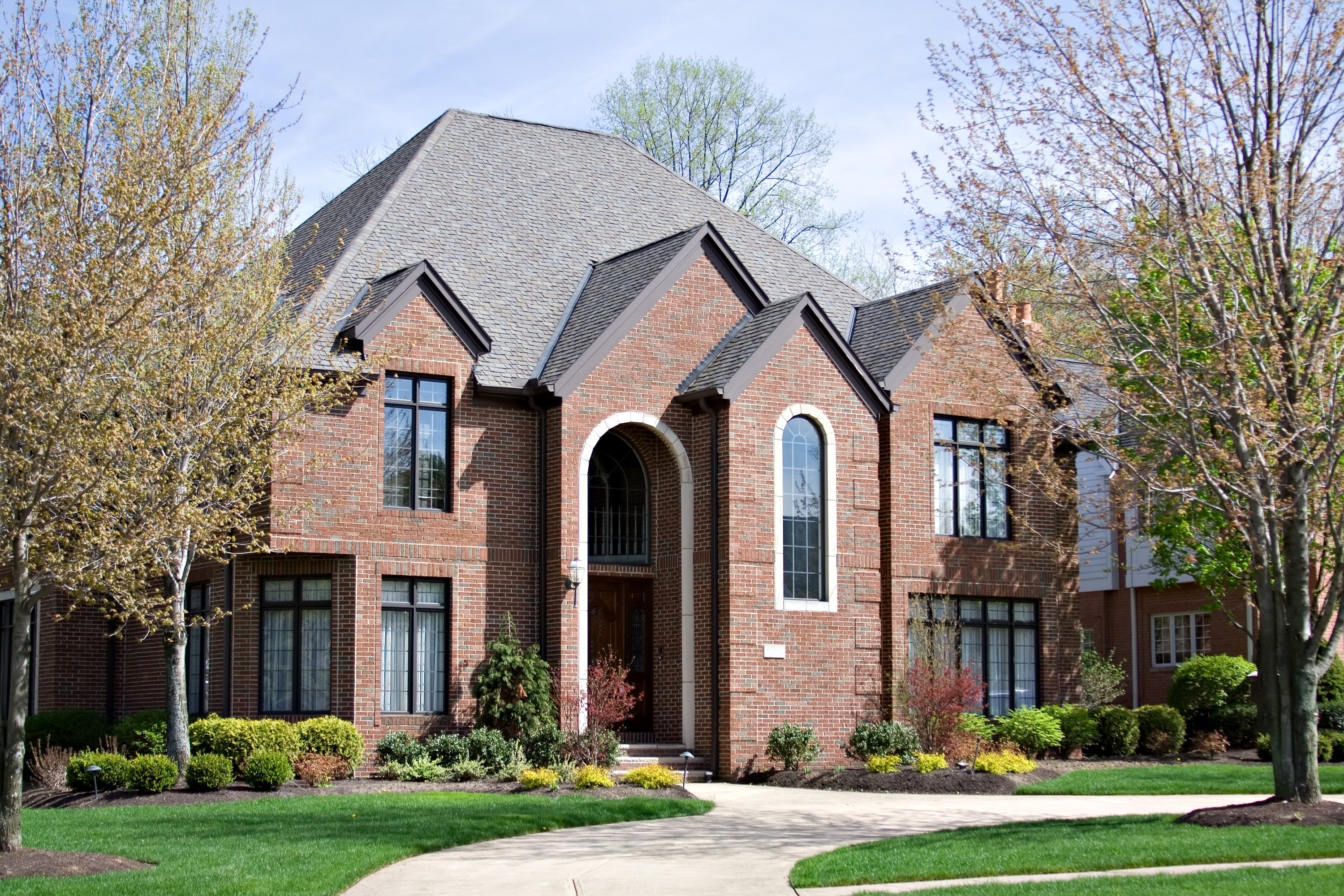
Ohio’s wealth clusters in Cincinnati’s Indian Hill, Columbus’ affluent suburbs, and Cleveland’s east‑side enclaves. Retail, healthcare, manufacturing, and logistics are core sectors for the top 1%. Les Wexner’s long‑standing retail fortune, now centered around Bath & Body Works and related investments, remains one of the state’s largest, though his public profile has shifted. A $4.3 million threshold, a $266,000 median, and about 470,000 millionaire households paint a picture of a large, diversified state where steady business ownership and real‑estate holdings matter more than headline‑grabbing salaries.
Oklahoma
- Minimum net worth to be in the top 1%: $4,352,000
- Median household net worth: $210,000
- Households with net worth of $1 million or more: ~140,000
- Total households: ~1,420,000
Oklahoma’s top 1% are closely tied to energy and related services. Wealth is concentrated around Oklahoma City and Tulsa, where oil and gas companies, pipeline operators, and associated service firms have generated large fortunes. Energy magnates like Harold Hamm exemplify this cohort, with multi‑billion‑dollar net worths tied to shale and midstream infrastructure. A $4.35 million top‑1% bar and a $210,000 median highlight the divide between households that own mineral rights or equity in energy businesses and those whose wealth is primarily their home and paycheck.

Oregon
- Minimum net worth to be in the top 1%: $8,480,000
- Median household net worth: $336,000
- Households with net worth of $1 million or more: ~360,000
- Total households: ~1,820,000
Oregon’s wealthiest households cluster in Portland’s West Hills and Lake Oswego, as well as in Bend and other scenic destinations east of the Cascades. The state’s top 1% often blend tech, outdoor‑industry, and long‑time timber and manufacturing wealth. Phil Knight’s multibillion‑dollar Nike fortune is the most visible, but there is a broader ecosystem of founders, investors, and executives benefiting from rising valuations and high‑end real estate. An $8.48 million threshold, a $336,000 median, and ~360,000 millionaire households illustrate a state shaped by both innovation and scarcity of desirable land.

Pennsylvania
- Minimum net worth to be in the top 1%: $5,752,000
- Median household net worth: $299,000
- Households with net worth of $1 million or more: ~650,000
- Total households: ~4,900,000
Pennsylvania’s wealth spans Philadelphia’s Main Line, Pittsburgh’s revitalized neighborhoods, and prosperous suburbs in between. Finance, energy, healthcare, and logistics all figure prominently in the top 1%. Jeff Yass, cofounder of Susquehanna International Group and an early investor in companies like TikTok’s parent ByteDance, is frequently cited as the state’s wealthiest resident, with a net worth estimated in the tens of billions. A $5.75 million threshold, a $299,000 median, and roughly 650,000 millionaire households show how diversified industries and legacy fortunes combine to support a broad affluent tier.
Rhode Island
- Minimum net worth to be in the top 1%: $9,741,000
- Median household net worth: $491,000
- Households with net worth of $1 million or more: ~100,000
- Total households: ~440,000
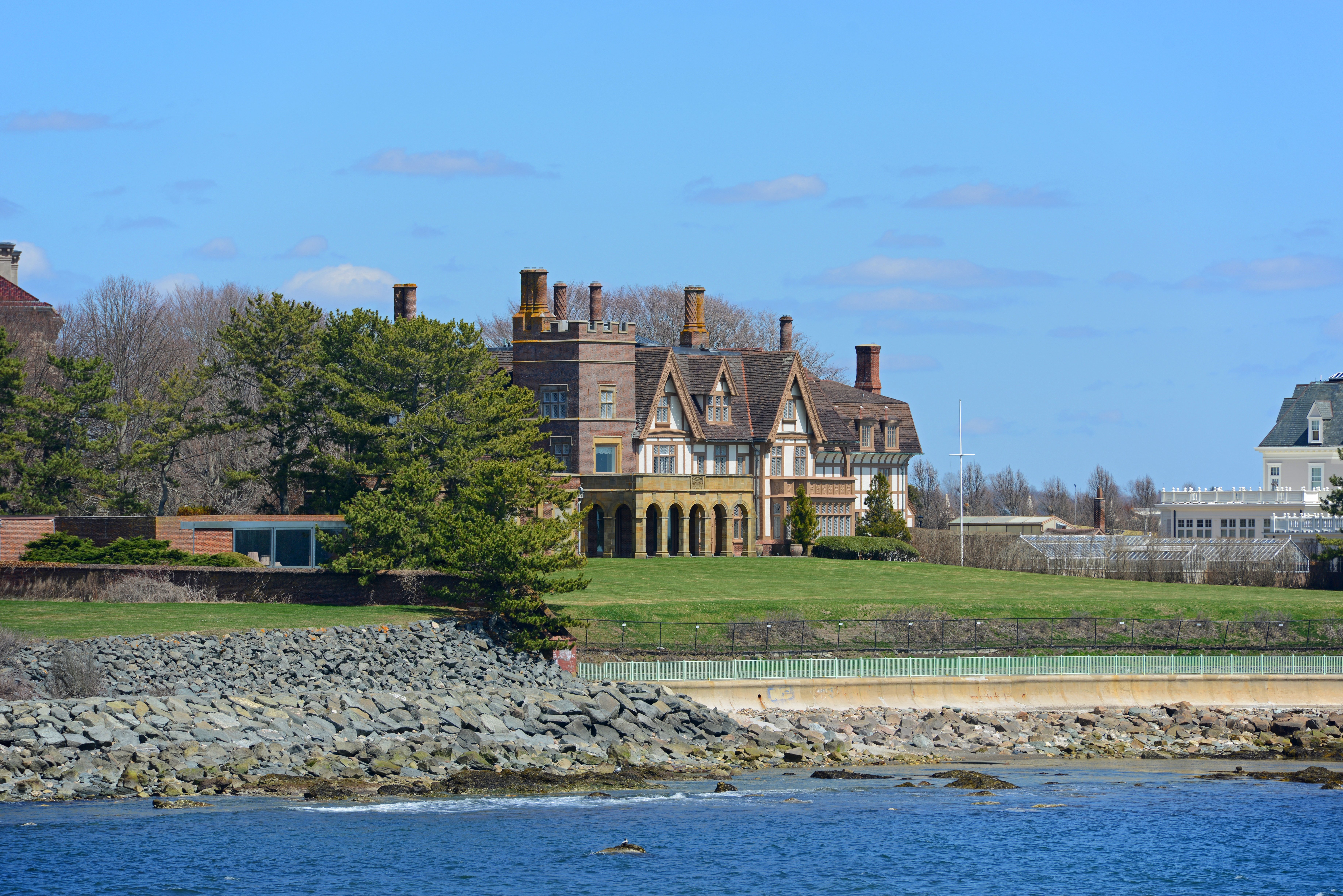
Rhode Island’s top 1% are concentrated in coastal communities like Newport and Barrington, where sailing culture, tourism, and proximity to Boston underpin high property values. Jonathan Nelson’s private‑equity fortune from Providence Equity Partners, measured in the low‑single‑digit billions, exemplifies the finance‑driven wealth tied to the region. A $9.74 million threshold, a $491,000 median, and about 100,000 millionaire households underscore the extent to which a small state can host a dense cluster of affluent families.

South Carolina
- Minimum net worth to be in the top 1%: $8,723,000
- Median household net worth: $343,000
- Households with net worth of $1 million or more: ~370,000
- Total households: ~2,050,000
South Carolina’s wealth is increasingly coastal and metropolitan. Charleston, Greenville, and resort islands like Kiawah and Hilton Head concentrate many of the state’s highest‑net‑worth households. Port logistics, manufacturing, tourism, and real‑estate development drive much of the top‑tier wealth, joined by retirees and remote professionals relocating from higher‑tax states. Family fortunes tied to global real‑estate platforms and industrial companies sit behind a growing number of eight‑ and nine‑figure balance sheets. An $8.72 million threshold, a $343,000 median, and ~370,000 millionaire households reflect a state in the midst of a rapid wealth expansion.
South Dakota
- Minimum net worth to be in the top 1%: $5,672,000
- Median household net worth: $452,000
- Households with net worth of $1 million or more: ~50,000
- Total households: ~300,000
South Dakota’s top 1% are concentrated in Sioux Falls and Rapid City, and disproportionately tied to finance, healthcare, and agriculture. The state’s trust‑friendly legal framework has also made it a favored jurisdiction for wealth management structures, even when the underlying families live elsewhere. T. Denny Sanford, long associated with First Premier Bank and significant philanthropic gifts, has exemplified local banking‑based wealth. A $5.67 million threshold, a notably high $452,000 median, and roughly 50,000 millionaire households underscore how a small state can achieve broad financial security among residents while also attracting external capital.

Tennessee
- Minimum net worth to be in the top 1%: $8,124,000
- Median household net worth: $362,000
- Households with net worth of $1 million or more: ~540,000
- Total households: ~2,560,000
Tennessee’s wealth is increasingly anchored in Nashville, alongside Memphis and Chattanooga. Healthcare, logistics, music, and entertainment are central to its top 1%. Thomas Frist Jr. and his family, whose net worth from HCA Healthcare is widely estimated in the mid‑tens‑of‑billions, sit at the pinnacle of this ecosystem. An $8.12 million top‑1% bar, a $362,000 median, and roughly 540,000 millionaire households highlight how a combination of healthcare consolidation, tourism, and migration from higher‑tax states has boosted Tennessee into the ranks of heavy‑hitting wealth states.
Texas
- Minimum net worth to be in the top 1%: $5,324,000
- Median household net worth: $279,000
- Households with net worth of $1 million or more: ~960,000
- Total households: ~10,140,000
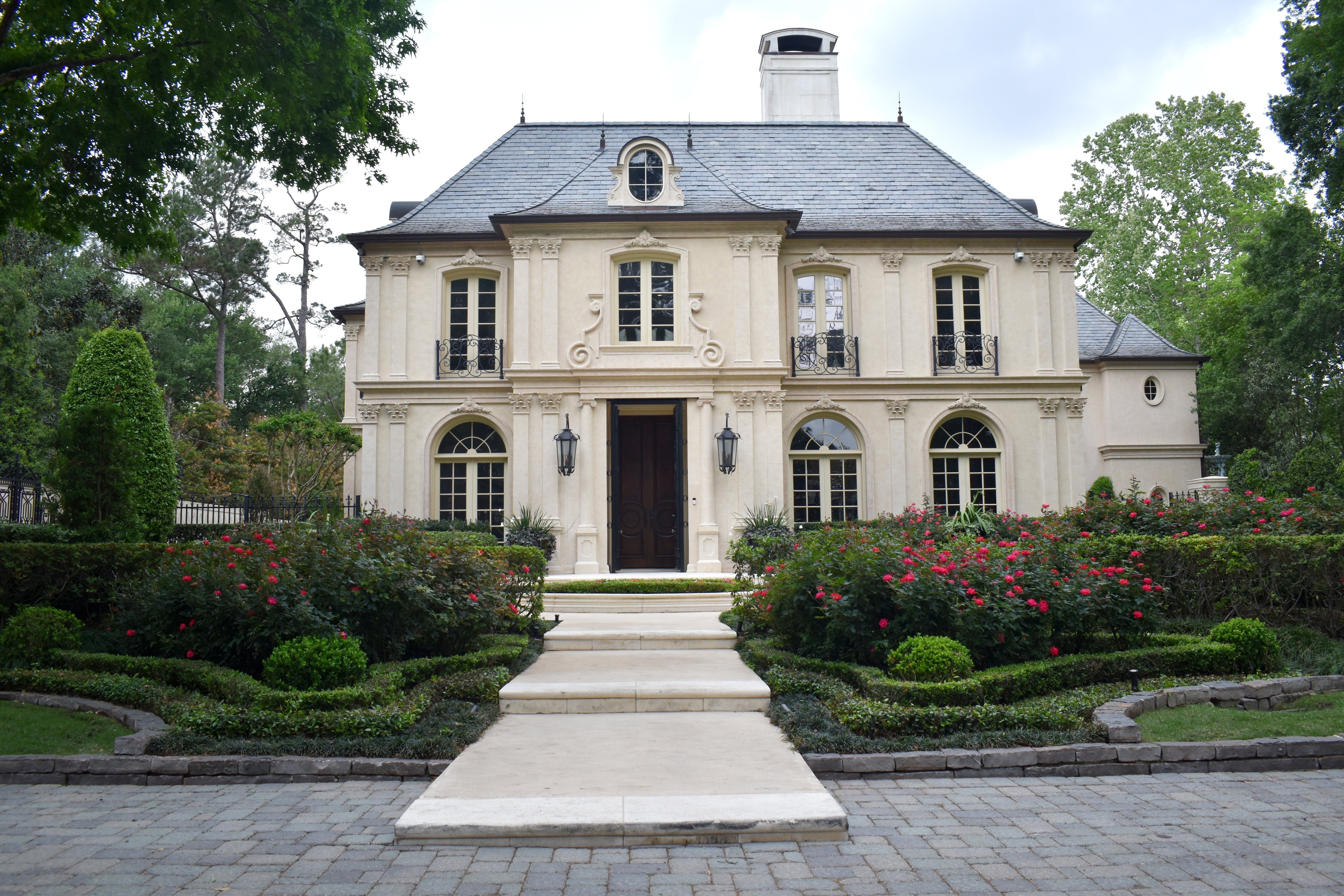
Texas is home to one of the largest absolute pools of wealthy households in the country. The top 1% spans Houston’s energy corridor, Dallas’ Park Cities, Austin’s tech scene, and booming suburbs statewide. Elon Musk’s Texas‑based fortune, estimated around half a trillion dollars across Tesla, SpaceX, and other ventures, underscores just how extreme the upper tail has become. Yet the statewide top‑1% threshold is a relatively modest $5.32 million, with a $279,000 median and nearly a million millionaire households. The combination of no state income tax, deep corporate presence, and surging tech and energy sectors makes Texas a defining example of modern U.S. wealth concentration.
Utah
- Minimum net worth to be in the top 1%: $10,147,000
- Median household net worth: $601,000
- Households with net worth of $1 million or more: ~260,000
- Total households: ~1,120,000
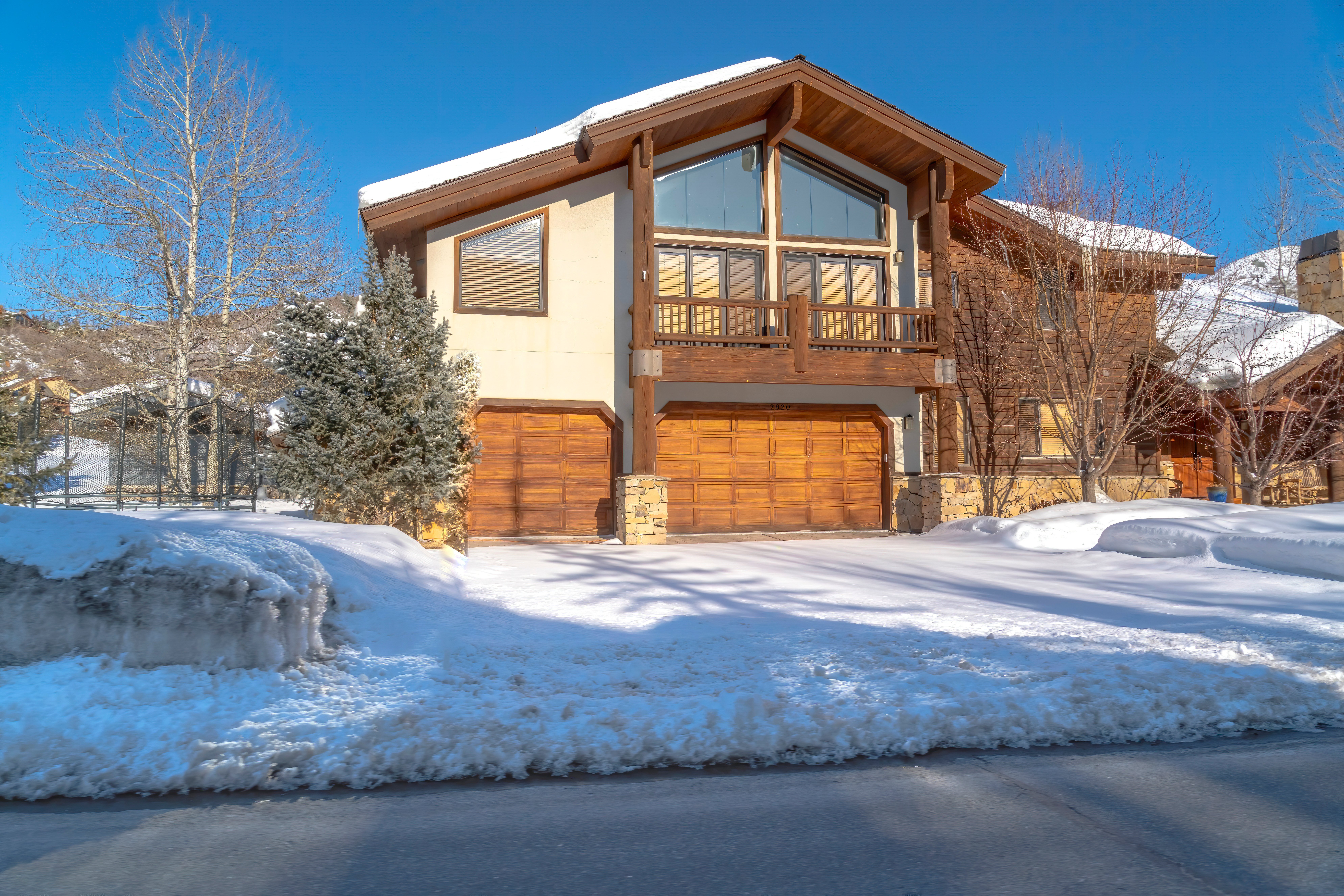
Utah has quietly become one of America’s most financially resilient states. The median household net worth is $601,000, tied with New Jersey for second‑highest in the nation, while the top‑1% threshold is just over $10.1 million. Wealth clusters along the Salt Lake City–Provo corridor and in Park City, driven by enterprise software, consumer tech, financial services, and real‑estate development, reinforced by high household formation and savings rates. Gail Miller, whose family holdings span auto dealerships, sports, and other businesses, remains one of the state’s best‑known billionaires. With ~260,000 millionaire households, Utah’s data confirm its reputation as a place where both the middle and upper tiers are unusually strong.
Vermont
- Minimum net worth to be in the top 1%: $9,825,000
- Median household net worth: $703,000
- Households with net worth of $1 million or more: ~100,000
- Total households: ~280,000
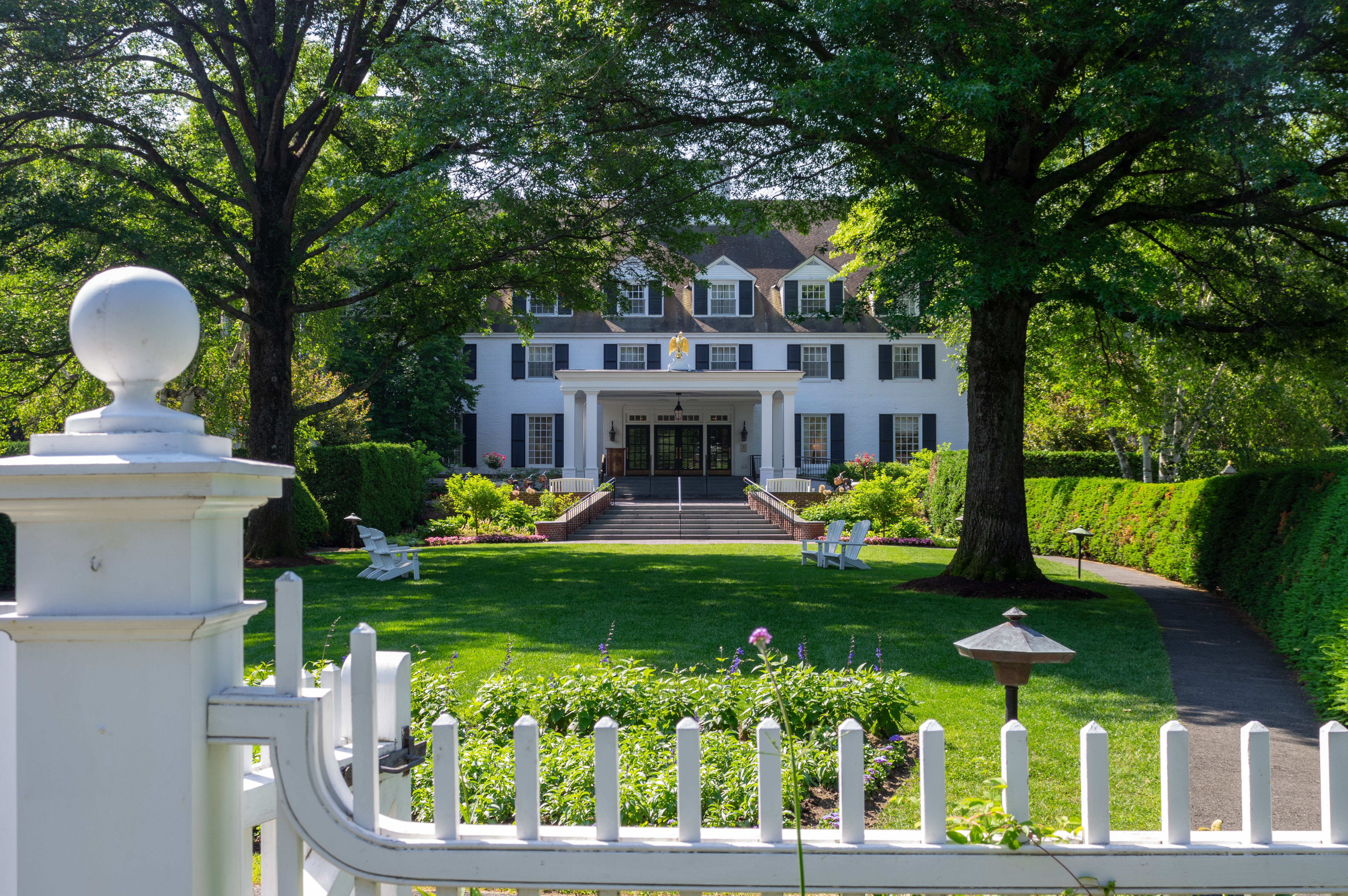
Vermont stands out for its $703,000 median net worth, the highest of any state. Wealth concentrates in and around Burlington, ski towns like Stowe, and scenic rural communities that attract remote professionals and second‑home owners from Boston and New York. John Abele, cofounder of Boston Scientific, is among the most prominent ultra‑wealthy residents, with a billion‑plus net worth from pioneering minimally invasive medical devices. A $9.83 million top‑1% bar, nearly 100,000 millionaire households, and a small overall population mean Vermont has the densest concentration of millionaire households in the country by share.

Virginia
- Minimum net worth to be in the top 1%: $8,313,000
- Median household net worth: $431,000
- Households with net worth of $1 million or more: ~680,000
- Total households: ~3,240,000
Virginia’s top 1% is heavily shaped by Northern Virginia’s tech and government‑contracting corridor, including McLean, Great Falls, and Arlington, as well as more traditional wealth in Richmond and coastal cities. Amazon’s HQ2 footprint, defense contractors, data centers, and consulting firms have created dense clusters of high‑earning, equity‑owning households. Jacqueline Mars, whose one‑third stake in Mars Inc. translates into a multibillion‑dollar net worth, is one of the most prominent affluent residents associated with Virginia. An $8.31 million top‑1% threshold, a $431,000 median, and about 680,000 millionaire households highlight how central the state has become to the country’s tech‑and‑government wealth engine.
Washington
- Minimum net worth to be in the top 1%: $12,009,000
- Median household net worth: $431,000
- Households with net worth of $1 million or more: ~790,000
- Total households: ~3,170,000
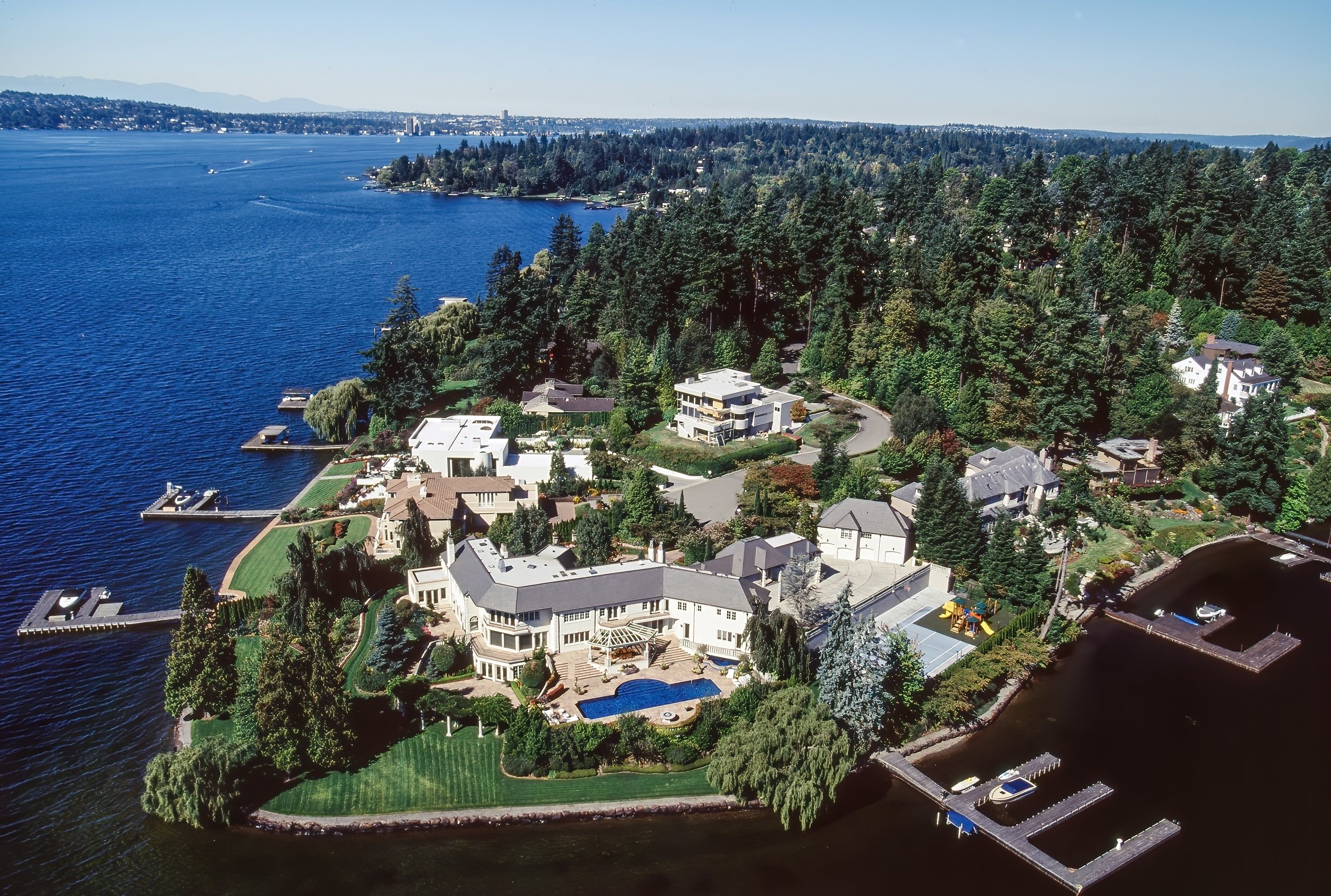
Washington’s wealth is concentrated in the Seattle area, particularly Medina, Hunts Point, and Mercer Island, where tech fortunes loom large. Microsoft, Amazon, and a cluster of cloud, gaming, and enterprise‑software companies sit behind the state’s top 1%. Steve Ballmer’s net worth, widely estimated in the low‑hundreds of billions, captures the scale of equity‑driven wealth created in the region over the last 40 years. A $12.0 million threshold—fifth‑highest in the country—a $431,000 median, and close to 790,000 millionaire households encapsulate how profoundly the tech sector has shaped Washington’s wealth distribution.
West Virginia
- Minimum net worth to be in the top 1%: $3,591,000
- Median household net worth: $231,000
- Households with net worth of $1 million or more: ~70,000
- Total households: ~710,000
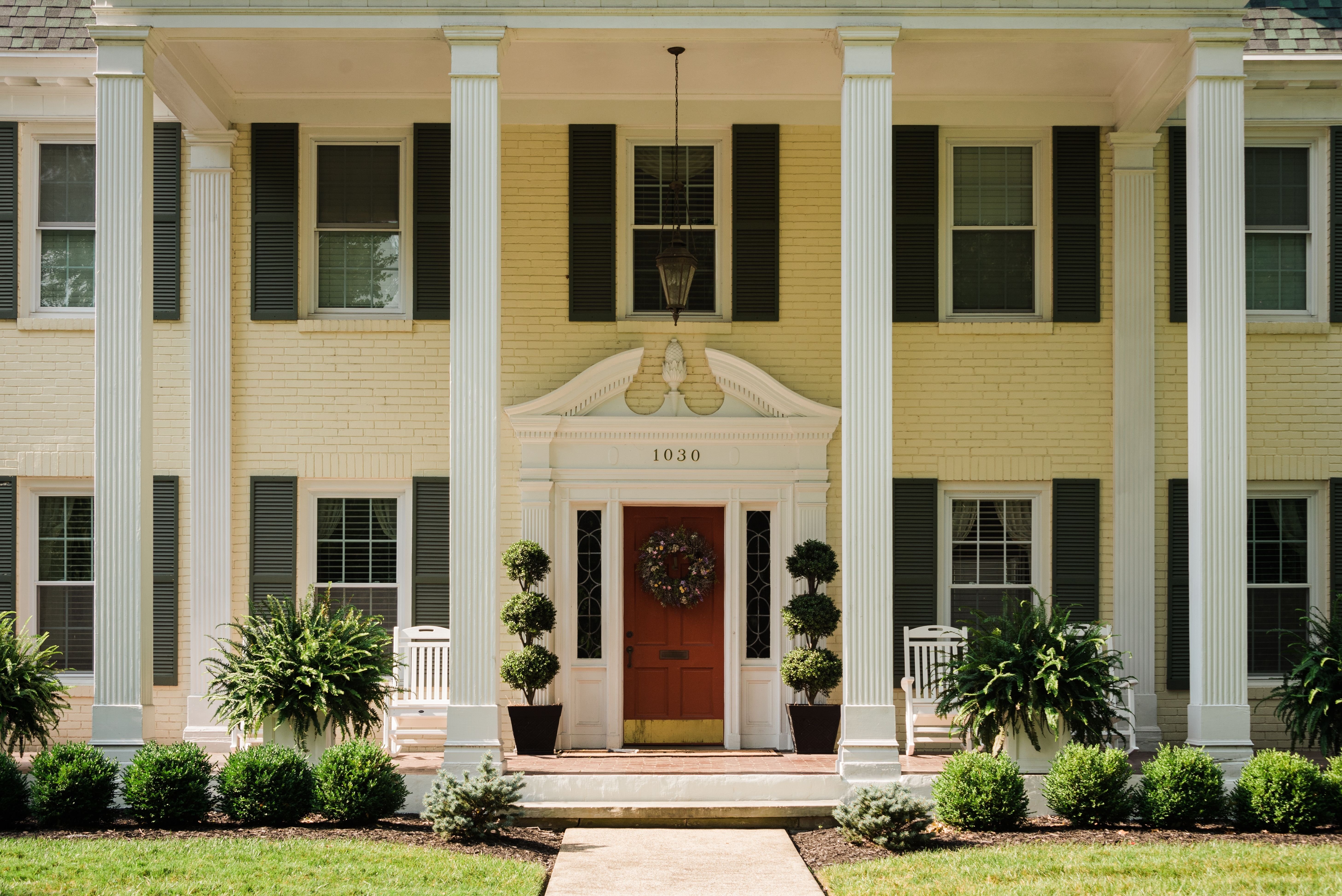
West Virginia’s top 1% is rooted in natural resources and resort real estate. Coal, natural gas, and timber holdings, along with hospitality assets like The Greenbrier, dominate many of the state’s largest fortunes. High‑net‑worth households are concentrated around Charleston and in scenic pockets of the Alleghenies. A $3.59 million top‑1% bar—the fourth‑lowest in the country—and a $231,000 median reflect a state where wealth is highly concentrated and tied to a relatively small number of families and enterprises, while many households maintain modest balance sheets.
Wisconsin
- Minimum net worth to be in the top 1%: $6,168,000
- Median household net worth: $392,000
- Households with net worth of $1 million or more: ~390,000
- Total households: ~2,250,000
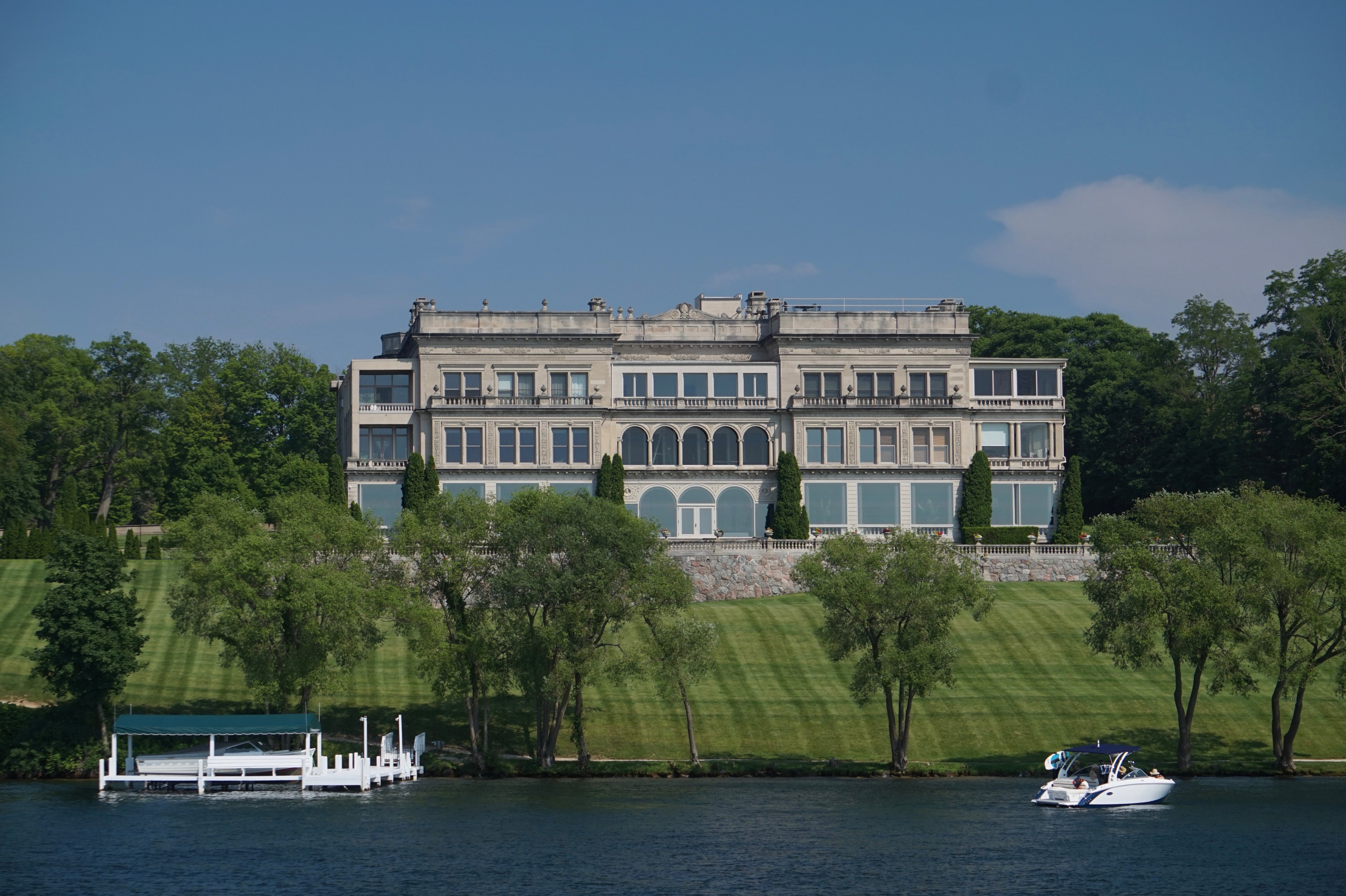
Wisconsin’s top 1% cluster around Milwaukee’s North Shore, Madison’s tech‑and‑university ecosystem, and resort areas like Lake Geneva and Door County. Manufacturing, retail, and building‑materials distribution support many of the state’s highest net‑worth families. Diane Hendricks, whose ABC Supply has grown into one of the country’s largest roofing distributors, is often cited as Wisconsin’s wealthiest resident, with net worth estimated in the tens of billions. A $6.17 million threshold, a $392,000 median, and about 390,000 millionaire households underline the strength of the state’s industrial‑and‑savings dynamic.
Wyoming
- Minimum net worth to be in the top 1%: $10,006,000
- Median household net worth: $390,000
- Households with net worth of $1 million or more: ~30,000
- Total households: ~210,000
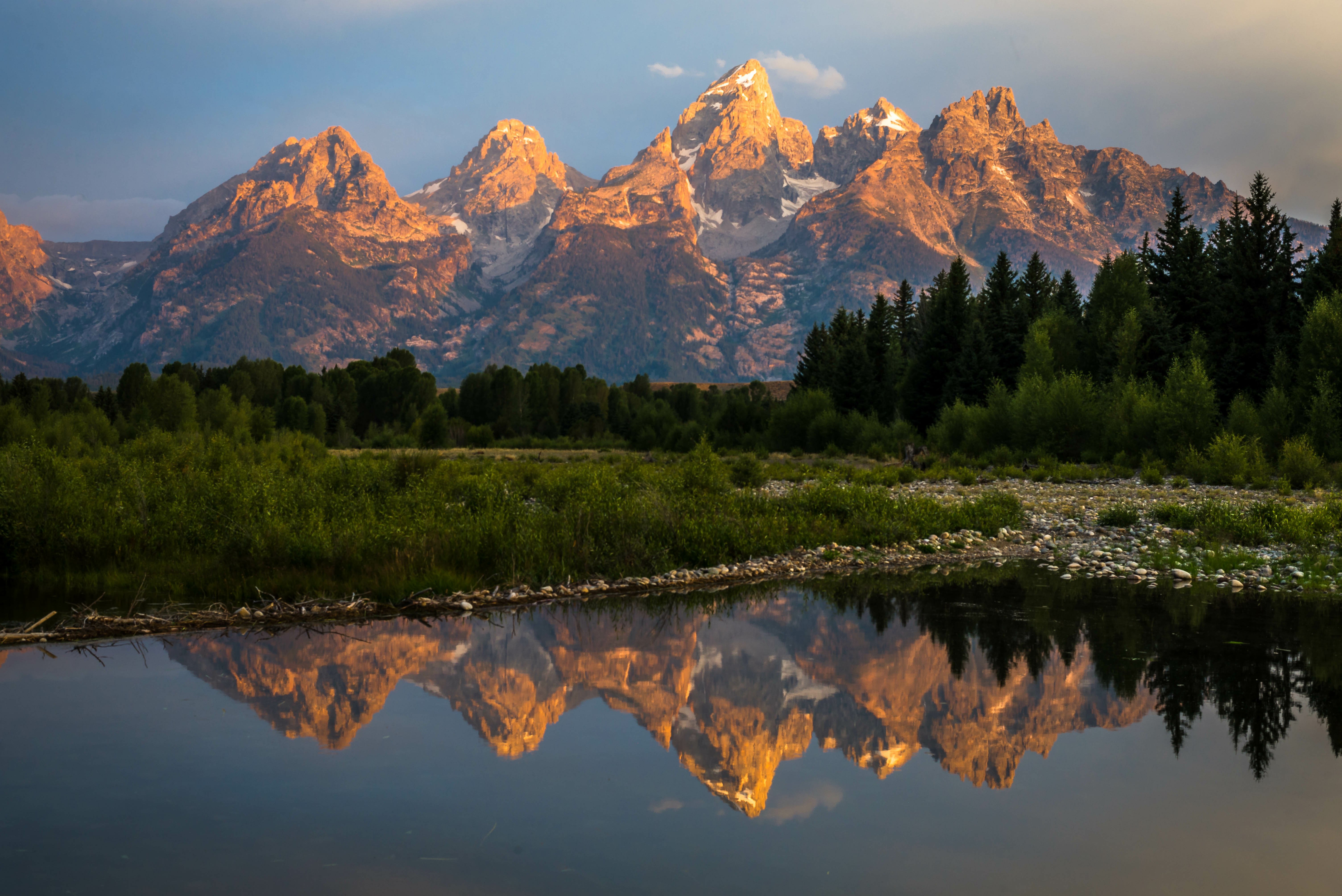
Wyoming’s wealth is unusually concentrated for such a small state. The top 1% are heavily clustered in Teton County and Jackson Hole, where mountain scenery, low taxes, and ultra‑luxury real estate draw billionaires from across the country. Members of the Mars and Walton families, among others, are closely associated with Wyoming and its high‑end enclaves, with net worths in the tens of billions. A $10.0 million top‑1% bar, a $390,000 median, and ~30,000 millionaire households out of just ~210,000 total households highlight one of the highest densities of wealth in the U.S.
Closing
Taken together, Windfall’s 2026 Q2 data show a country where wealth is both more plentiful and more unevenly distributed than it was just a few years ago. The national median has risen, but so have the thresholds at the very top, and in states like Hawaii, Vermont, New Jersey, Utah, and Washington, the bar to join the top 1% is now firmly in eight‑figure territory.
See how much the benchmarks have changed over the last five years by checking out our original analysis, What it Takes to Be in the Top 1% in Every State in 2021.